



Scroll right to see more ›
Dates & Fees | Washington Hunting

May 28, 2025
| UP-FRONT FEES | |
| Special Permit Application - Adult (Per Species) | $152.30 |
| Special Permit Application - Youth under 16 (Per Species) | $5.05 |
| Elk & Deer General License | $1,020.06 |
| Elk & Deer General License (Youth) | $56.13 |
| Elk General License | $685.60 |
| Elk General License (Youth) | $29.82 |
| Deer General License | $599.07 |
| Deer General License (Youth) | $29.82 |
| Black Bear License | $306.10 |
| Black Bear License (Youth) | $17.68 |
| POST DRAW FEES (IF SUCCESSFUL) | |
| Sheep, Moose, or Goat License | $2,279.00 |
| Sheep, Moose, or Goat License (Youth) | $77.90 |
| Reflects the July 1, 2025 Pricing Increase | |
| UP-FRONT FEES | |
| Special Permit Application - Adult (Per Species) | $9.61 |
| Special Permit Application - Youth under 16 (Per Species) | $5.05 |
| Elk & Deer General License | $116.85 |
| Elk & Deer General License (Youth) | $56.13 |
| Elk General License | $69.29 |
| Elk General License (Youth) | $29.82 |
| Deer General License | $61.70 |
| Deer General License (Youth) | $29.82 |
| Black Bear License | $32.86 |
| Black Bear License (Youth) | $17.68 |
| POST DRAW FEES (IF SUCCESSFUL) | |
| Sheep, Moose, or Goat License | $457.40 |
| Sheep, Moose, or Goat License (Youth) | $77.90 |
| Reflects the July 1, 2025 Pricing Increase | |
| WASHINGTON MOOSE (SPECIAL PERMIT) SEASON DATES | |
| Any Legal Weapon | Oct - Nov, 2025 (varies by unit) |
| WASHINGTON MOUNTAIN GOAT (SPECIAL PERMIT) SEASON DATES | |
| Any Legal Weapon | Sep - Nov, 2025 (varies by unit) |
| WASHINGTON BIGHORN SHEEP (SPECIAL PERMIT) SEASON DATES | |
| Rocky Mtn / California Bighorn | Sep - Nov, 2025 (varies by unit) |
Note: All Washington big game seasons vary by GMU, weapon type, and special permit. Always confirm in the current WDFW Big Game Hunting Regulations before planning. See: https://wdfw.wa.gov/hunting/regulations/big-game
| YEAR | RESULTS POSTED |
|---|---|
| 2025 | June 10 |
| 2024 | June 12 |
| 2023 | June 14 |
| 2022 | June 14 |
| 2021 | June 10 |
| 2020 | June 10 |
| 2019 | June 12 |
| 2018 | June 15 |
600 Capitol Way North
Olympia, WA 98501-1091
ph. 360-902-2200
What's New 2025 | Washington Hunting
-
Baiting big game is now illegal in Washington.
-
Mountain goat units Bumping River, Chowder Ridge, Lincoln Peak, and Avalanche Gorge will not have any draw tags for 2025.
-
The Manson California sheep unit will not have any draw tags for 2025.
- The Mountain View Rocky Mountain sheep unit will not have any draw tags for 2025.

-
Washington's biggest application tip is to apply youth before they turn 17. It is among the cheapest states to apply for kids for sheep, moose, and mountain goat. Go to xyz.youthHF.com to find out all the details surrounding applying youth for great tags in Washington.
-
There is not a non-resident quota for sheep, moose, and goat, so the odds are the same regardless of your residency.
-With the vast amounts of residents who apply there and the heavy expense of applying for non-residents, typically only around 2%-5% of tags are awarded to non-residents.

Washington Hunting 2025
Washington’s 2025 big game application period closes May 28, 2025 at midnight (PDT). Big Game Hunting Seasons and Rules are available in printed form at WDWF offices and statewide hunting license vendors. For online access to the regulations, visit http://wdfw.wa.gov/hunting/regulations. Results of the draw should be available by the end of June.
Washington continues their special permit draw system with expensive application fees and horrible draw odds for non-residents. However, if you want to apply for some great trophy opportunities and can justify the $110.50 cost per application, you may need to add this to your application game. If Washington ever decides to set some permits aside for non-residents, having points there will be a much better investment than it is today. For now, if your application budget is robust or you have youth hunters under age 16, add Washington. If you’re on a tighter budget, Washington remains one of the first states to cut for all species.
Applications | Washington
Washington Special Permit Applications are separated into categories within each species. For example, there are multiple categories for moose, including any antlered moose, antlerless moose, and youth antlerless moose. As a result, a youth under the age of 16 could apply for all three categories of moose. To do so, a Special Permit Application fee must be paid for each of the categories and separate bonus points would be built in each category. The bag limit for a hunter is one moose, one goat, or one bighorn sheep, even if permits are drawn in more than one category in the same year.
There is a two-part process to apply for Washington’s permit hunts. Step one requires applicants to purchase the Special Permit Application for each category they want to apply for. These applications can be purchased in person at license vendors or online at www.wdfw.wa.gov. Step two requires applicants to submit their Special Permit Application with their unit choices. They can be submitted at https://fishhunt.dfw.wa.gov. Once submitted, applications cannot be withdrawn. However, amendments can be made on your online account prior to the draw taking place.
Washington provides applicants with a points only option. However, this is never recommended as it is the same cost to apply for a permit versus points as well as the long draw odds. A maximum of two applicants may apply for sheep, moose, and goat hunts. For party applications, the group leader is responsible for creating the application, adding each group member’s WILD ID, entering the hunt choices, submitting the group application, and sharing the confirmation number with other group members. The other group member then applies separately using the same confirmation number. The points accumulated by each hunter in the group are averaged and applied to the group application. We highly recommend that nobody applies for sheep, moose, and mountain goat permits on group applications because of the limited number of permits available.
Details of the Draw | Washington Hunting
You will be given four hunt choices when applying for the special drawings. It is possible to draw a permit on any of your listed choices. All of your choices will be considered before the next applicant is drawn. There is no non-resident quota or cap for all species, so the draw odds are the same for residents and non-residents. If you were drawn for an any ram license or an any bull moose license and were successful in harvesting, you may not apply for that species again. Anyone who has harvested a mountain goat since 1998 may not apply again. However, if you already harvested a mountain goat on the now discontinued Conflict-Reduction Hunts, there is no waiting period or once-in-a-lifetime bag limit.
Draw results will be available at the end of June. To see if you have been awarded a special permit, you must visit the Department’s website. In Washington, it is the applicant’s responsibility to verify if they have been selected for sheep, moose, and goat permits. Special hunting licenses for sheep, moose, and goat must be purchased within 15 days of the notification date or the permit will be void and offered to an alternate.
PREP LIKE A PRO.
HUNT LIKE A FOOL.
GO ON MORE HUNTS WITH BETTER INFORMATION
HUNTIN' FOOL MEMBERSHIPS

$16.58
Per Month
$199 BILLED ANNUALLY
Unlimited One-On-One hunt consultations and everything you need to prep like a pro and hunt like a fool.

$4.00
Per Month
$48 BILLED ANNUALLY
Access our digital research tools, draw more tags, and hunt with better information.
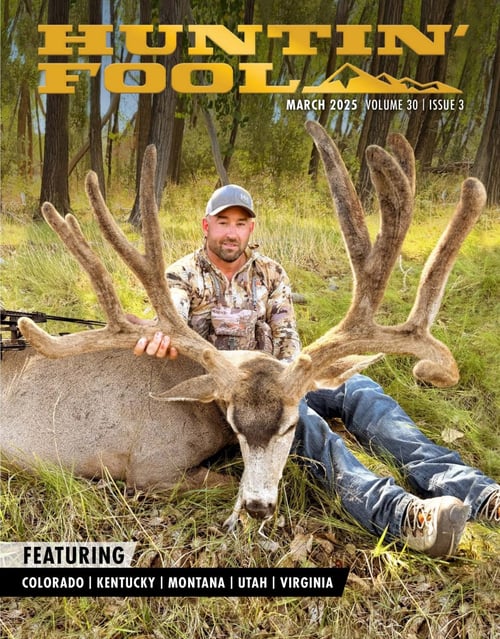
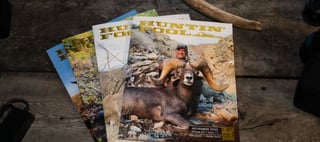
Huntin' Fool Magazine
The Most Comprehensive Printed Research Tool Shipped to Your Door Every Month!
Our members experience improved hunting opportunities as a direct result of the Huntin' Fool magazine. We are the only publication that breaks more than 20 states' hunting regulations and draw systems into bite-sized chunks for our members.
- State Application Strategies
- Comprehensive Hunt Research
- Proprietary Unit Reviews
- Advisor & Member Stories
- Gear Insights & Product Reviews
Fees | Washington
A non-refundable Special Permit Application fee of $110.50 will be assessed for each category of hunt within each species applied for. For youth 15 years old or younger, the non-refundable fee is only $3.80 for each Special Permit Application. If successful, the license for the species drawn must be purchased within 15 days of the drawing. Adults pay $1,652 per license, and youth pay just $57 per license.
Washington Articles
Advisor Articles from Our Magazine on Washington Application and Hunting Strategy
Hunter Requirements | Washington Hunting
Anyone born on or after January 1, 1972 must show proof that they have completed a hunter education class or that they are not a first-time hunting license buyer in Washington when applying. Online applicants should apply early as hunter education documentation must be submitted before a license can be purchased.
- Hunter orange is not required during the sheep, goat, or moose seasons unless a modern firearm season is open for deer or elk in the same unit. The use of one leashed dog for tracking purposes of wounded big game animals is now allowed.
Hunting Age Restrictions | Washington Hunting
There is no minimum age to apply or hunt in Washington. However, you cannot apply for moose, sheep, or goat unless you provide proof that you have completed a hunter education class if you were born on or after January 1, 1972.
Podcast Episodes
Point Structure | Washington
A single bonus point is accrued for each year of application for each species category. For example, an application for sheep (any ram) and a separate application for sheep (ewe) would result in two separate bonus point groups for the applicant. Accumulated bonus points are squared for the applicant when entering the draw. No permits are set aside for those with maximum points. An applicant can only draw one permit per species per year. Once drawn for a special permit, bonus points for that species category will revert back to zero.
Draw Odds | Washington Hunting
The draw odds we list are not the true odds of drawing a particular permit as they do not reflect the number of bonus points each applicant has accumulated. These simple odds are calculated by dividing the total number of applications by the total number of permits issued for a particular hunt. All applicants are included in one drawing, with no limits or quotas on non-resident permits.
Youth Hunting Information | Washington
Hunters who have completed a hunter education class and are under 16 years of age at the time of application may purchase youth-priced Special Permit Applications for $3.80 each. Additionally, if youth are drawn for moose, sheep, or goat permits, they are only required to pay a youth permit fee of $57, compared to $1,652 for non-resident adults. Youth can apply for the trophy hunts for sheep, moose, and goat, but they can also apply for youth-only ewe sheep and youth antlerless moose permits.
Washington Youth Hunting | Pro Tips
-
Age Range: Under 16 years old
-
Key Species: Rocky Mountain Bighorn Sheep, Shiras Moose, and Mountain Goat
-
All hunters need to have completed hunter education.
-
Hunters who have completed a hunter education class and are under 16 years of age at the time of application may purchase youth-priced Special Permit Applications.
-
A youth-priced Special Permit Application is $3.80.
-
Non-Resident Youth Bighorn Sheep Tag: $57
-
Non-Resident Youth Shiras Moose Tag: $57
- Non-Resident Youth Mountain Goat Tag: $57
Weapon Restrictions | Washington
All hunts for bighorn sheep, moose, or mountain goat are designated as any weapon hunts. For archery hunters, it is unlawful to use any of the following: a bow equipped with a scope, electrical equipment or electronic devices on your bow, any device that helps keep the bow at full draw, a bow that does not produce a minimum of 40 pounds of draw weight, any arrow that measures less than 20", a broadhead that has blades less than 7/8" wide, or a bow equipped with a scope. Crossbows are illegal to use during the archery-only season unless you have a disabled hunter permit. Illuminated nocks, verifier peep sights, and mechanical broadheads are legal in Washington.
To be a legal muzzleloader for muzzleloader-only hunts, it must meet all of the following requirements: black powder or black powder substitute and the projectile must both be loaded from the barrel; have a single or double barrel; be at least .45 caliber; sights must be open, peep style, or fiber optic; and ignition must be wheel-lock, matchlock, flintlock, or percussion cap (primers designed to be used in modern cartridges are legal). It is illegal to carry a modern firearm in the field while muzzleloader hunting during a muzzleloader-only season, except for modern handguns carried for personal protection.
Other Permit Opportunities | Washington Hunting
There are no landowner permits for sheep, moose, or goat in Washington. Additionally, due to high demand, there are never any leftover permits.
Washington offers raffle permits for California bighorn sheep, moose, goat, deer, and elk. Multi-species tickets are $17, California bighorn sheep tickets are $11.50, and all other tickets are $6. The deadline to purchase raffle tickets is July 15, 2025. These tickets must be purchased in person at license vendors in Washington state. A Rocky Mountain bighorn sheep raffle permit will also be available this year from the Washington Chapter of the Wild Sheep Foundation. Refer to the Washington raffle permit section in our May magazine for more information.
Guided Hunts - Featured Washington Hunting
Alaska Peninsula Coast
New Mexico Unit 36
All-Inclusive Guided Stone
Trophy Canadian Moose
Wyoming Antelope Hunt
Montana Mountain Lion
Idaho Trophy Mule Deer
Washington Wolf Update
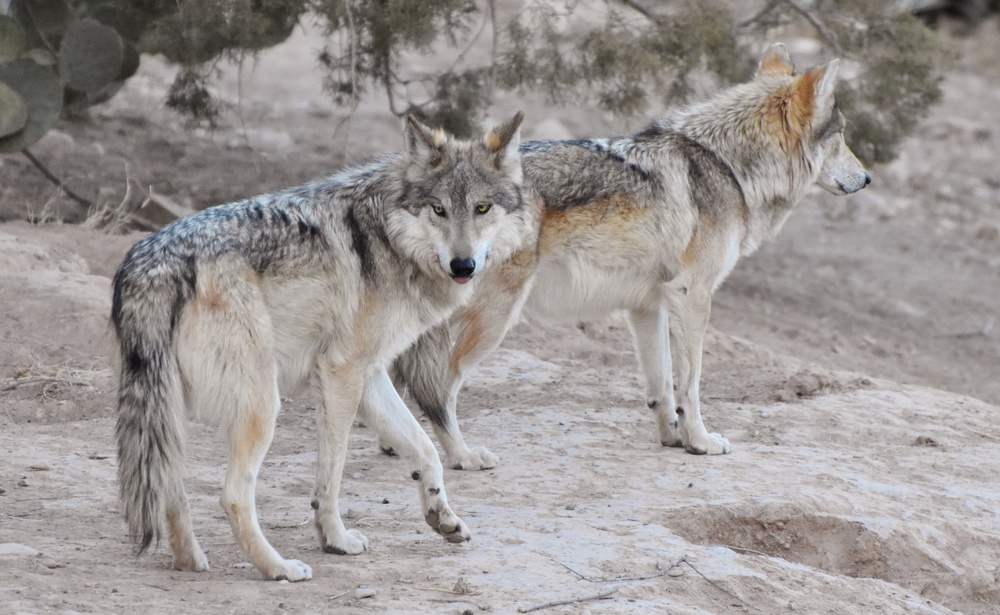
Wolf populations in Washington continue to grow and expand into new areas. The last time Washington released information on the state’s wolf population was December 2022. At that time, 216 wolves in 37 different packs were surveyed and counted in their base minimum counts. Twenty-six of these packs were considered successful breeding pairs.
The truth is that the actual wolf numbers are much higher than this visual count. Overall reports show the wolf population is growing by an average of 23% per year across the state. Wolves were federally relisted in the western two-thirds of the state in February 2022. We hope that Washington is able to address the burgeoning population of wolves in the eastern portion of the state before their moose population is lost. However, with their very liberal Game Commission and the public’s desire to remove hunting of all animals as a management tool, the future may not look too bright for Washington’s wildlife.
Refunds / Returns / Transfers | Washington
There are no refunds for hunting licenses. Exchanges of hunting license documents will not be made after applying for a special permit or after the hunting season opens. Washington allows successful applicants for all big game special permits to return their permit to the Department for any reason two weeks prior to the opening day of the season and have their points restored.
Washington - Research by Species



Harvest Reporting | Washington Hunting
Hunter reports are required for all turkey, deer, elk, black bear, sheep, moose, and goat hunters. Reports are due by January 31, 2026, even if you did not hunt or harvest. There is a $10 penalty for not reporting on time or at all. Reports can be filed online at www.wdfw.wa.gov or over the phone at 360-902-2464.
Anyone who harvests a bighorn sheep or mountain goat must present the head and horns completely attached for inspection and marking within 10 days of harvest. Successful hunters need to call a WDFW Regional or District office to schedule an appointment with a biologist for horn marking. The inspection does not substitute for the mandatory harvest reporting. For sheep and goat, both processes are required for proper reporting.


Access | Washington
The Department of Wildlife’s Private Lands Program strives to provide access to hunters, but Western Washington timber companies continue to increase the number of acres that are “pay to play” when it comes to access. In spite of that, over one million acres are enrolled in the public access and habitat development agreements through WDFW’s private lands program. Washington has multiple types of access passes required in various areas. Before your hunt, visit https://wdfw.wa.gov/hunting/hunting_access/ and familiarize yourself with the opportunities and requirements for access for your hunt.

BECOME A MEMBER Prep Like a Pro. Hunt Like a Fool.
CONSULTATIONS
RESEARCH TOOLS
COMMUNITY INTEL
APPLICATION SERVICE

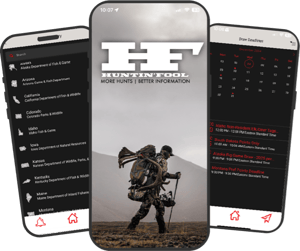
Download the Huntin' Fool App & Never Miss a Deadline!
Huntin’ Fool offers a wide variety of services and resources within the hunting space, and the Huntin’ Fool App offers access to them all. Utilizing this app, you will be able to apply for hunts, plan hunts, buy hunts, and win hunts. This app is simple to use and puts the tools you need to go on great hunts right at your fingertips.


Washington Hunting FAQs
Is trophy hunting legal in Colorado?
Trophy hunting, defined as killing a big game animal solely to take its antlers, hide, or other trophy parts while leaving the carcass behind, is illegal in Colorado. State law considers this a felony offense, and hunters are required to properly tag, utilize, and report their harvests. For certain species like bears, mountain lions, and bobcats, mandatory inspection and sealing of specific parts is also required. While legally licensed hunters can pursue animals for their trophy value, they must comply with all regulations that ensure the full use of the animal and prevent waste.
How old to hunt in Colorado?
In Colorado, the general minimum age to hunt big game and mountain lion is 12, though youth can apply for a license at age 11 if they turn 12 before the season ends. Youth ages 12–15 must be accompanied by a qualified mentor while hunting big game, and those under 16 must also be accompanied when hunting mountain lion, turkey (with a youth license), or small game with a youth license. There is no minimum age to hunt turkey as long as hunter education requirements are met. Youth hunters under 18 may purchase reduced-cost licenses, and those meeting education requirements can also choose to buy an adult small-game license, which allows them to hunt without a mentor. All hunters born on or after January 1, 1949, must have a hunter education card.
When does my membership expire?
Be careful using accordions. They are known to shorten pages, yet they come at a higher interaction cost. Accordions are great for FAQs. Here is a UX checklist:
- Make sure the icon is clearly communicating there is more content
- Don't put too much content in the accordion. If there is too much, then the content might deserve it's own page.
How to get a hunting license in Colorado?
How much is a hunting license in Colorado?
How much is a non-resident big game hunting license in Colorado?
What is Colorado Plains Rifle Season?
What big game can you hunt in Colorado?
Can I hunt on my own land in Colorado?
Yes, you can hunt on your own land in Colorado, but you must still follow all applicable hunting laws. This includes having a valid hunting license for the species you're pursuing, completing hunter education if you were born on or after January 1, 1949, and purchasing a Habitat Stamp if you're between ages 18–64. Season dates, bag limits, legal hunting methods, and game management unit regulations still apply on private land. While being the landowner satisfies the permission requirement for private-land-only licenses, you must ensure your land is eligible and within the appropriate hunt unit. Hunting near public roads or highways may also be restricted.
Can you hunt BLM land in Colorado?
Yes, you can hunt on BLM (Bureau of Land Management) land in Colorado, as it is generally open to public hunting. However, you must have a valid Colorado hunting license and follow all state hunting regulations, including season dates, species rules, and legal methods of take. While BLM land is open to hunting, off-trail game retrieval with motorized vehicles is usually prohibited, and specific rules or access restrictions may apply in certain areas. Hunters are advised to contact the local BLM office for up-to-date maps, regulations, and any closures before heading out.
Can you hunt in the national forest in Colorado?
Yes, you can hunt in National Forests in Colorado. These public lands are generally open to hunting, but you must follow all state hunting regulations, including licensing, season dates, and legal methods of take. Some areas within National Forests may have temporary closures, access restrictions, or special rules, so it’s important to contact the local Forest Service office before your hunt to get up-to-date maps and information. Always confirm the regulations for the specific Game Management Unit (GMU) where you plan to hunt, as many GMUs include portions of National Forest land.
Can you hunt with a suppressor in Colorado?
Yes, you can hunt with a suppressor (silencer) in Colorado. Suppressors are legal to own and use for hunting, target shooting, and personal defense. As long as you legally possess a suppressor in compliance with federal regulations, you are allowed to use it while hunting in Colorado, including for big game species like elk and mule deer. Suppressors help reduce noise and recoil, and are increasingly popular among hunters for safety and comfort.
Can you hunt with a crossbow in Colorado?
Yes, you can hunt with a crossbow in Colorado, but only under certain conditions. Crossbows are legal for hunting big game and mountain lion **during rifle or associated methods seasons**, not during archery-only seasons. To be legal, a crossbow must have a minimum 125-pound draw weight, a 14-inch draw length, a working safety, and use bolts at least 16 inches long with broadheads that are at least 7/8 inch wide and have two steel cutting edges in the same plane. Crossbows also appear to be allowed for small game, though they cannot be used for archery season big game hunts. The legality of crossbows for turkey hunting is unclear in the available sources, so it’s best to check directly with Colorado Parks and Wildlife for confirmation.
Can a non-hunter accompany a hunter in Colorado?
Yes, a non-hunter can accompany a hunter in Colorado under certain conditions. For youth hunters and those using apprentice certificates, a mentor must be present, but the mentor does not have to hunt. Hunters with disabilities may also be accompanied by one or more non-hunters for assistance. In general, non-hunters are allowed to accompany licensed hunters as long as they do not participate in hunting activities and all regulations are followed. However, in areas like State Wildlife Areas (SWAs), non-hunters age 16 or older may need a valid hunting/fishing license or a SWA pass to be present. Always check specific property rules with Colorado Parks and Wildlife before heading out.
Can you carry a pistol while bow hunting in Colorado?
Yes, you can carry a pistol while bow hunting in Colorado, but it must be for self-defense only—not for hunting or finishing wounded game. Using a firearm to dispatch an animal shot with a bow is illegal. Open carry is legal, and concealed carry is allowed with a valid Colorado permit (note that not all out-of-state permits are recognized). Handguns are exempt from some transport restrictions, but rifles and bows must be unloaded and cased when transported on off-highway vehicles. Discharging any weapon from or across a public road or within 50 feet of its centerline is prohibited. Always review current Colorado Parks and Wildlife regulations before your hunt.
Can you hunt on Sunday in Colorado?
Yes, you can hunt on Sundays in Colorado. There is no statewide prohibition against Sunday hunting in the regulations. As long as you're hunting during legal hours, within the designated season, and following all other rules for the species and Game Management Unit (GMU), Sunday hunting is allowed. However, some specific properties—like certain State Wildlife Areas—may have their own access or day-use restrictions, so it's important to check the regulations for the exact area where you plan to hunt. Always consult Colorado Parks and Wildlife for the most up-to-date information.
Can you hunt wilderness areas in Colorado?
Yes, you can hunt in wilderness areas in Colorado, but you must follow specific regulations. Wilderness areas like Flat Tops, Maroon Bells–Snowmass, Mount Evans, Buffalo Peaks, and Weminuche are open to hunting, and some offer “wilderness-only” hunt options with limited licenses. These areas often restrict motorized access and may require special permits, such as camping reservations in popular zones like Maroon Bells–Snowmass. While standard hunting rules apply, additional U.S. Forest Service regulations—like equipment limits and group size—may also affect your hunt. Always check Colorado Parks and Wildlife regulations and contact the managing agency before hunting in a designated wilderness area.
Can you use walkie-talkies while hunting in Colorado?
Yes, you can use walkie-talkies while hunting in Colorado, but only for general communication. It is **illegal** to use radios, walkie-talkies, cell phones, or other electronic devices to relay the location of wildlife to aid in hunting or to coordinate a shot. For example, telling a partner where an animal is or advising them to shoot is prohibited. However, using walkie-talkies to stay in touch for safety, planning, or non-wildlife-related coordination is allowed. Always follow Colorado Parks and Wildlife regulations regarding electronic communication while hunting.
What are the dates for big game hunting in Colorado?
The general big game hunting season dates in Colorado for 2025 vary by species, method of take (archery, muzzleloader, or rifle), and Game Management Unit (GMU). The Colorado Parks and Wildlife regulations provide a framework of statewide dates, but actual hunt periods may differ depending on hunt codes and unit-specific regulations. Most archery seasons start in early September, muzzleloader seasons typically run mid-September, and rifle seasons are staggered through October and November, with some late hunts extending into December or even January. Plains rifle seasons and over-the-counter options also provide extended opportunities in designated units. Hunters must consult the CPW’s website for exact season dates for their chosen species, unit, and license type.

Still Have Questions?
At Huntin' Fool, we are always looking for ways to improve our service and help out members to the very best of our abilities. We believe communication is what makes our Huntin' Fool community great!
CONSULTATIONS
RESEARCH TOOLS
COMMUNITY INTEL
APPLICATION SERVICE
Washington Hunting FAQs
When Is Hunting Season in Washington?
In Washington, hunting seasons for the 2025–2026 regulatory year run from April 1, 2025, to March 31, 2026. Big game species like deer and elk have varying season dates depending on weapon type and region. For deer, modern firearm general seasons run primarily from October 11–31, with late seasons in November. Archery seasons begin as early as September 1 and extend into mid-December or later for some black-tailed deer areas. Muzzleloader hunts include high buck hunts in mid-September, with most early hunts in late September or early October and late hunts in November and December. Elk seasons also vary, with general firearm hunts from September through November and extended late hunts for Master Hunters running into January. Archery and muzzleloader elk seasons start in early September or October, depending on area and hunt type. Black bear season runs from August 1–November 15, and cougar season is open from September 1–March 31, unless harvest limits are met. Applications for deer, elk, moose, goat, bighorn sheep, and turkey special permits are due April 28–May 28, 2025, with results by the end of June. Multi-season tag applications are accepted from December 1, 2025–March 31, 2026, allowing successful applicants to hunt across all weapon seasons. Raffle hunts have a July 15, 2025, deadline, and most allow hunting from September through December. Standard hunting hours are one-half hour before sunrise to one-half hour after sunset, with exceptions for certain species like turkey.
How Much Is a Hunting License in Washington?
The cost of a hunting license in Washington varies based on species, residency, age, and disability status, with fees effective from April 1, 2025, to March 31, 2026. The "Deer + Elk + Bear + Cougar License" costs $133.03 for residents and $1,188.04 for non-residents, with discounted rates available for youth, seniors, and disabled hunters. A resident deer license alone is $61.70, while a resident elk license is $69.29. Multi-season tags—allowing participation across all weapon seasons—require a separate application and cost an additional $139.10 for deer and $182.00 for elk if drawn. A comprehensive "Get Outdoors" package includes big game, small game, fishing, and turkey privileges for $322.98 (resident). Youth under 16 may hunt big game for around $30, while seniors and disabled hunters receive reduced pricing. Special hunt applications for species like mountain goat, moose, and bighorn sheep range from $9.61 to $18.72 per application for residents, with license/tag costs as high as $2,279.00 for non-residents if drawn. A hunter education course is required for anyone born after January 1, 1972, and all hunters must report harvest activity by January 31, 2026, to avoid a $10 penalty. Up-to-date pricing can be verified at fishhunt.dfw.wa.gov.
When Is Deer Hunting Season in Washington State?
Deer hunting season in Washington State varies based on hunting method, permit type, and Game Management Unit (GMU), with regulations effective from April 1, 2025, to March 31, 2026. General season options include modern firearm hunts (e.g., October 11–31 for black-tailed deer), early archery hunts (September 1–26), and muzzleloader seasons (September 27–October 5). Late seasons also exist, such as November 13–16 for black-tailed deer and November 26–December 15 for muzzleloader in certain areas. Youth, senior, and disabled hunter-specific seasons are also available. Multi-season tags allow hunters to participate in all general seasons from September 1 to December 31, but must be applied for in advance. Additionally, special permit hunts for quality, antlerless, or second deer are allocated via a drawing held in late spring. Raffle hunts offer further opportunities, with some allowing harvests into late December. All hunters must have the correct license, complete hunter education (if born after 1971), and report harvests by January 31, 2026, to avoid penalties. For full GMU-specific dates and legal deer definitions, hunters should consult the Washington Hunt Planner or official WDFW regulations.
Which Species of Deer May Not Be Hunted in Washington?
How to Get Hunting License in Washington?
How to Find Public Land to Hunt on Washington?
wdfw.wa.gov, dnr.wa.gov, and fws.gov/refuges, and to contact regional land managers or WDFW biologists when needed.
What Firearms Are Illegal for Hunting in Washington?
In Washington State, certain firearms and equipment are prohibited or restricted for hunting. Fully automatic firearms and rimfire rifles or handguns are illegal for big game hunting. It is also unlawful to hunt with loaded firearms in vehicles, to discharge firearms across roads, or to hunt from a moving vehicle (with some disability exceptions). Modern firearms used for big game must be at least .24 caliber centerfire (except cougar, which allows .22 centerfire), and shotguns must be 10 gauge or smaller using appropriate slugs or buckshot. Crossbows are only allowed during modern firearm or muzzleloader seasons and must meet draw weight and bolt specifications. Muzzleloaders and archery equipment must meet specific caliber, draw weight, and sight limitations, and cannot be accompanied by modern firearms during their respective seasons (except for personal protection). Hunting with night vision, thermal imaging, or laser sights is prohibited, and no big game may be hunted using aircraft or unmanned drones. Baiting or feeding deer, elk, or moose is now banned statewide. Always consult the full WDFW regulations for details, as some exceptions apply for hunters with disabilities.
Can a Non Hunter Accompany a Hunter in Washington State?
In Washington State, non-hunters may generally accompany licensed hunters in the field as observers, but they are strictly prohibited from participating in any hunting activity. State law defines “to hunt” as any effort to kill, capture, injure, or harass wildlife—actions that require a valid license and tags. Party hunting (killing game for someone else to tag) is illegal, and only licensed hunters may assist disabled hunters as designated companions. While non-hunters may carry a modern handgun for personal protection during archery or muzzleloader seasons, they may not use it to hunt or dispatch wounded game. All individuals in the field must also follow firearm safety and transport laws, including restrictions on loaded firearms in vehicles.
Can I Hunt on My Own Land in Washington State?
Yes, in Washington State, you can hunt on your own land, but owning the property does not exempt you from standard hunting regulations. You are still required to possess a valid hunting license and all necessary tags, permits, or stamps for the species you intend to hunt. All state hunting laws apply, including restrictions on legal hunting equipment, baiting and feeding bans, bag limits, season dates, and mandatory harvest reporting. Prohibited practices such as party hunting, discharging a firearm from a vehicle or highway, and hunting with fully automatic or illegal firearms are still enforced on private land. Additionally, while landowners may hunt their own property, they must wear required hunter orange or pink during certain seasons and are subject to the same rules regarding hunter education and reporting. Although Washington has strict trespass laws protecting private property, landowners must ensure they follow all regulations to hunt legally on their own land.
Can You Hunt with a Crossbow in Washington State?
Yes, you can hunt with a crossbow in Washington State, but only during modern firearm or muzzleloader seasons—not during general archery seasons, unless you have a Special Use Permit for a disability. Legal crossbows must have a draw weight of at least 125 pounds, a working trigger safety, and must shoot arrows or bolts that weigh at least 350 grains and are tipped with broadheads at least 7/8-inch wide. It is unlawful to discharge a crossbow from a vehicle or across a public highway. Disabled hunters with WDFW-issued permits may receive specific exceptions, such as using a crossbow during archery season.
Is It Illegal to Hunt Bigfoot in Washington?
There is no mention of Bigfoot, Sasquatch, or any similar cryptids in Washington State’s official hunting regulations. The law defines hunting as any effort to kill, capture, injure, or harass a recognized wild animal or bird, and Bigfoot is not classified as such. Since there’s no legal way to obtain a license or tag for Bigfoot, and it isn’t listed among protected or huntable species, there’s no legal basis for hunting it in Washington. Any attempt to do so would fall outside regulated wildlife law and could potentially be prosecuted under general animal cruelty or public safety statutes, depending on circumstances.