Over-the-Counter Hunts
Over-the-Counter Hunt Opportunities
Over-the-counter hunts offer freedom, flexibility, and access to some of the most rewarding DIY big game experiences in the West. While success isn’t guaranteed, these non-draw tags open the door to adventure, from chasing bugling bulls in the high Rockies to glassing Coues deer across Arizona’s desert basins. With smart planning, physical preparation, and respect for the land and wildlife, over-the-counter hunts can lead to unforgettable moments. They’re not always easy, but that challenge is exactly what makes them worth it.

- Elk – 2nd and 3rd Rifle Seasons
- Bear – 1st through 4th Rifle Seasons
- Antelope – Archery
- Turkey – Spring and Fall
- Elk – Archery (limited to units east of I-25)
- Whitetail Deer – Late Rifle Season
- Mountain Lion - Unit-Based Quota
- Spring Turkey: April 12 – May 31
- Fall Turkey: September 1 – October 31
- Archery Antelope: August 15 – September 20
- Archery Elk: September 2 – 30
- Rifle Elk & Bear:
- 1st Rifle: October 15 – 19
- 2nd Rifle: October 25 – November 2
- 3rd Rifle: November 8 – 16
- 4th Rifle: November 19 – 23
- Whitetail Deer: December 1 – 31
- Mountain Lion: November 24, 2025 – March 31, 2026
Why Hunt Colorado OTC?
Colorado is widely regarded as the top state for over-the-counter (OTC) elk hunting, boasting the largest elk population in the country, an estimated 300,000 animals, nearly double that of the next closest state, Montana. Nearly half the state is open to OTC elk hunting during designated seasons, making it the most accessible and opportunity-rich destination for elk hunters. Colorado's turkey population sits around 35,000, with Merriam’s being the dominant subspecies, though Rio Grandes can also be found in certain areas. If you enjoy spot-and-stalk hunting, archery antelope offers an exciting challenge across the plains and open terrain. There’s no spring bear season in Colorado, meaning fall is the first opportunity hunters have to pursue them, often leading to increased sightings, especially for those already in the field chasing elk.
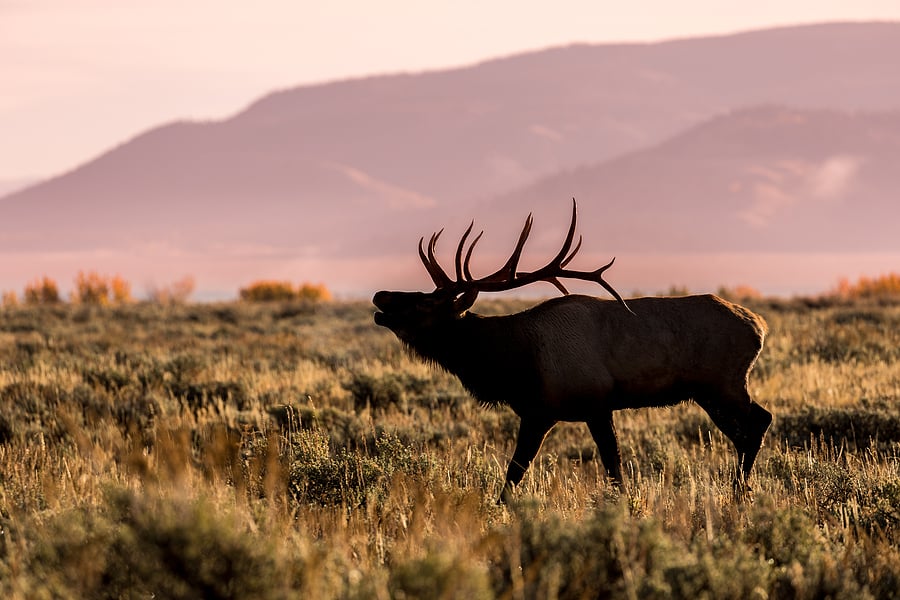
- Rifle Elk: 7,537 elk were taken during 2nd season and 6,048 in 3rd season.
- Spring and Fall Turkey: The spring bag limit is 2 bearded birds. 5,121 birds were harvested on OTC licenses last spring. Fall harvests are not reported but you are allowed 1 either sex and 2 beardless.
- Archery Antelope: Can provide daily spot-and-stalk action, with 285 of the 450 total archery antelope taken in OTC units.
- Bear: You can add a bear tag to your pocket while elk hunting, with 1,480 bears harvested last year.
- Archery Elk (East of I-25): Public land is limited, elk numbers are low, and hunting pressure is high.
- Whitetail Deer: Very limited public access and a low success rate, fewer than 100 deer harvested last season/ in 2024 on OTC tags.
- Mountain Lion: Does not overlap with other OTC big game seasons. Last year’s statewide quota was 610, with 500 lions harvested. The statewide quota is broken down into 21 different zones with individual quotas for each.
- Leftover Licenses - Deer, Elk, Pronghorn, and Bear: Any limited license that remains after the primary and secondary draws or have been returned or reissued are available to purchase OTC. You will not lose preference points. These are tags that took 4 preference points or less in the resident draw. Some good tags can be found, but being the first to buy is always tough and you cannot rely on this option for obtaining a tag.
- Elk: OTC units see heavy pressure. Success often comes to those who adapt. Don't assume hiking farther is always better. Small, overlooked pockets near access points can be little gems, especially if most hunters are pushing deep. Focus on migration routes and corridors in the 2nd and 3rd rifle seasons. Elk are dropping to lower elevations in response to weather and pressure.
- Bear: Often encountered by elk hunters during the fall as they forage heavily before hibernation, especially in oak brush, berry patches, and transition zones.
- Whitetail: Found mostly along river corridors and ag fields in the eastern plains. Public access is sparse and heavily hunted. It’s often used as a fallback by hunters that have not filled a tag yet.
- Antelope: Before choosing a unit, verify public access. Much of the Eastern Plains consists of State Trust Lands not open to the public. Focus on areas like the Comanche and Pawnee National Grasslands, which offer solid access and huntable populations.
Draw More Tags & Hunt Better Units

We Apply, You Hunt.
Step 2: Our License Application team applies you in the best units and states to achieve your goals.
Step 3: We call you when it's time to hunt!
- Deer B Tags (Antlerless)
- Black Bear (Spring & Fall)
- Turkey (Spring & Fall)
- Elk B Tags (Antlerless)
- Wolf
- Mountain Lion
- Bighorn Sheep (Limited Units Only)
- Deer B:
- Early: August 15 – October 24
- Archery: September 6 – October 19
- General: September 6 / October 20 / October 25 – November 30
- Late: December 1 – December 15 / January 1 / January 15
- Heritage Muzzleloader: December 13 – 21
- Black Bear:
- Spring: April 15 – June 15
- Fall Archery: September 6 – 14
- Fall General: September 15 – November 30
- Turkey:
- Spring: April 15 – May 31
- Fall: September 1 – January 1
- Elk B:
- Early: August 15 – September 5
- Archery: September 6 – October 19
- General: October 20 / October 25 – November 30
- Heritage Muzzleloader: December 13 – 21
- Late: December 1 – January 8 / February 15
- Wolf:
- Archery: September 2 – 14
- General: September 15 – March 15
- Mountain Lion:
- Archery: September 3 – October 16
- Fall: October 25 – November 30
- Winter: December 1 – April 14
- Bighorn Sheep:
September 15 – November 30
Why Hunt Montana OTC?
Montana offers a diverse landscape, from the Rocky Mountains to the Great Plains, and over 30 million acres of public land. The state provides solid OTC opportunities, particularly for antlerless deer and black bear, with strong harvest numbers across multiple species. Turkey hunting is excellent with a population around 120,000 offering Merriam’s, Easterns, and Hybrids.
- Deer B: B tags are antlerless tags. B tags here are plentiful, Deer B tags (antlerless) are plentiful, especially in areas where populations are high and landowners have expressed concerns about crop damage. In such regions, knocking on doors for permission can be more successful than with other species. Many units also have ample public land options for these tags. The last report showed 22,013 antlerless deer were harvested.
- Black Bear: Population is estimated around 15,000 with 1,484 being shown harvested on the last report. Bag limit is 1.
- Turkey: Spring bag limit is one male turkey with fall bag limits varying depending region. The last report showed 8,132 turkeys harvested.
- Elk B Tags: With access to private land or areas outside national forests and WMAs, these tags are a great way to put meat in the freezer. 11,706 antlerless elk were harvested last season.
- Wolf: Hunters can harvest up to 20 wolves, 10 hunting and 10 trapping. In 2024, 297 wolves were harvested with a statewide quota of 334.
- Mountain Lion: Estimated population is around 2,500, with 542 harvested last season.
- Bighorn Sheep: Montana is the only state with OTC Rocky Mountain Bighorn Sheep tags, but only five units offer them. Each unit has a quota of two rams, and quotas fill quickly. Public land access is good, but competition is intense and scouting is essential.
- Grizzlies inhabit western Montana, be bear-aware but don’t let them deter you. There’s exceptional hunting in these regions.
- Eastern Montana is more fragmented with pockets of public land surrounded by private. Use tools like onX to navigate boundaries and locate hidden gems.
- With a Deer B tag, don't hesitate to ask landowners for permission. Many will welcome help reducing deer numbers damaging crops.
- Black bears are most abundant in the northwest, but present throughout the state.
- Wolf and mountain lion hunting is most productive in Regions 1–3.
- Elk B tags are primarily offered in western and central Montana. Secure private access before buying a tag.
- Turkeys are found statewide, with the southeast being a top destination.
- If pursuing a Bighorn sheep, scouting is key. Limited quotas and dedicated hunters mean most legal rams are found and watched before opening day. Spend time learning the terrain and habits of the sheep.

- Elk (General Elk)
- Turkey (Spring)
- Bison (Unlimited)
- Elk (Antlerless)
- Bear (Harvest Objective)
- Mountain Lion (Year-Round)
- Turkey (Fall)
- Deer (Leftover)
- General Elk – Spike Units (Archery): August 16 – September 5
- General Elk – Any Bull Units (Archery): August 16 – September 17
- General Elk – Spike Units (Rifle): October 4 – October 16
- General Elk – Any Bull Units (1st Rifle): October 4 – October 10
- General Elk – Any Bull Units (2nd Rifle): October 11 – October 17
- General Elk – All Units (Muzzleloader): October 29 – November 6
- Antlerless Elk Control Permit: Available with overlapping qualifying license dates
- Antlerless Elk (Private Land): August 1 – January 31, 2026
- Spring Turkey: April 28 – May 31
- Fall Turkey: October 1 – February 28
- Bison: August 1, 2025 – January 31, 2026
- Bear: Unit-specific harvest objective dates (see regulations for details)
- Mountain Lion: Year-round
- Deer: Multiple season dates (see regulations for details)
Why Hunt Utah OTC?
While most of Utah’s hunting opportunities are draw based, any bull and spike-only elk tags provide OTC access for both archery and rifle/muzzleloader hunters. These opportunities allow you to start hunting in August, giving you a chance to check your gear and experience hunting in and around mature bulls. For those looking to fill the freezer, these tags offer solid chances to harvest either a spike, cow, or any bull in the designated units. Northern and central units offer good elk density with less hunting pressure compared to neighboring Colorado. Turkey hunting in Utah is underrated. There is a healthy population of wild turkeys found throughout the state, providing hunters with excellent opportunities to chase birds in some of the most scenic areas of the West.
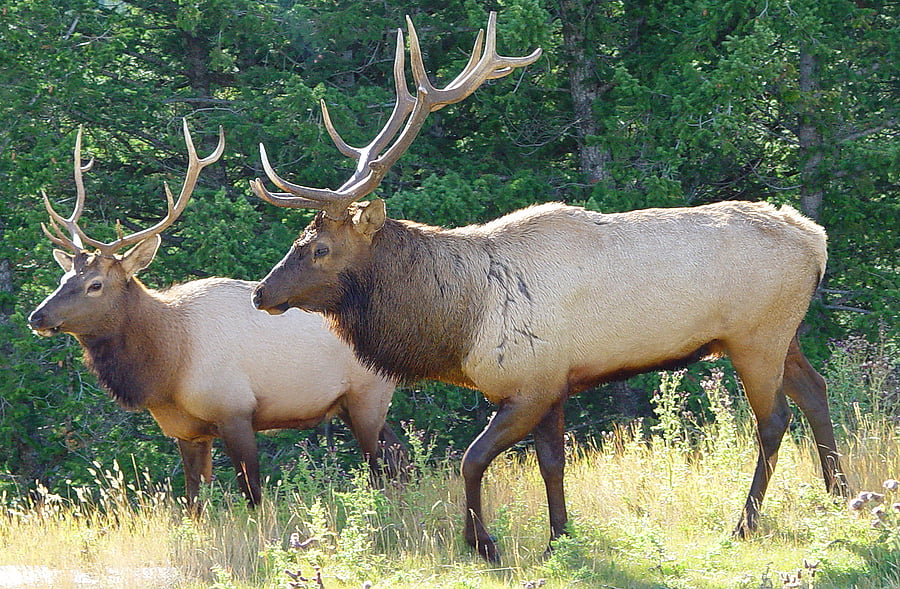
- Elk: Any-Bull and Spike-Only tags are great opportunities. There are 15,000 general-season permits for the any bull early season any-legal-weapon and muzzleloader hunts (combined quota). No cap on permit numbers for the any bull late season any-legal-weapon hunt. 15,000 spike bull permits, with a cap of up to 4,500 available as multi season permits. Unlimited youth general-season elk permits (these permits will not count toward the above permit numbers)
- Turkey: Spring bag limit is one bearded turkey. You can hunt Merriam’s, Rio’s, and Hybrids. It may take some scouting time to find areas with birds but when you find them you are in for a fun time.
- Bison: The Nine Mile unit offers unlimited OTC tags. However, the bison are mostly found on the Uintah and Ouray Reservation and rarely cross onto public land. These bison are often educated by past hunting pressure, making them difficult to hunt. In 2020, 123 bison were harvested from 248 permits sold, but in 2021, only 8 bison were taken from 163 permits. Buying this tag will burn your points.
- Antlerless Elk: If you have a buck, bull, or once-in-a-lifetime permit that overlaps an antlerless elk control unit, you can purchase that control permit (limited public land access). Those tags are unlimited. There are also capped private land only antlerless elk tags available for purchase as well, which are valid from August 1 – January 31, 2026. You can hunt these with any legal weapon, and purchasing these permits will not affect your antlerless elk preference points. However, you do want to have written permission before purchasing. Another possible option to purchase OTC tags are the archery antlerless elk tags that went leftover from the draw. However, if you buy a general antlerless archery elk tag, it will burn your antlerless elk preference points. Note, all these capped OTC tags are first come first served.
- Bear: Bear tags are available OTC during the fall (primarily), but hunting methods are restricted mainly to spot-and-stalk. There are harvest quotas for each unit. Check the regulations for the specific dates and units.
- Mountain Lion: Utah offers year-round mountain lion hunting with no harvest limit. All you need is a valid hunting license. Tracking and spotting lions can be difficult, but the pursuit is rewarding for those who enjoy a challenge.
- Deer: Leftover deer tags may be available. Limited-entry buck deer tags can occasionally be found for certain units (15 last season for Muzzleloader in Myton). General season buck deer permits are available for several units (700 last season for Muzzleloader across 5 units). However, purchasing these tags will burn both bonus points and preference points.
- Turkey: Fall hunting is primarily on private land and permits are limited.
- The General Any-Bull and Spike-Only hunts are great options for hunters looking to gain experience. These units provide solid opportunities for success, as well as a chance to interact with mature bulls in the best trophy units in the west while hunting for a spike or cow.
- Access: Utah offers a combination of easy-to-access units with great road networks, as well as remote backcountry areas. Use onX to navigate public land.
- Fishing: When hunting slows down midday, bring along a fishing pole. Utah's many lakes and streams offer excellent opportunities to relax and fish while on your hunt.
- Bison Hunts: As mentioned, bison are mostly located on private land in rugged, roadless areas. The hunt is difficult due to their wariness and the terrain they inhabit. If you want to hunt bison, be prepared for a challenging and potentially rewarding experience, but don’t expect an easy hunt.

BECOME A MEMBER Prep Like a Pro. Hunt Like a Fool.
CONSULTATIONS
RESEARCH TOOLS
COMMUNITY INTEL
APPLICATION SERVICE

- Elk (Archery & Any Legal Weapon - ALW)
- Deer (Archery & ALW)
- Bear (Fall)
- Turkey (Spring & Fall)
- Mountain Lion (Quota Based)
- Elk (Antlerless Damage Hunts)
- General Archery Elk: August 30 – September 28
- West Cascade ALW Elk: November 8 – 14
- Western Oregon Coast 1st ALW Elk: November 15 – 18
- Western Oregon Coast 2nd ALW Elk: November 22 – 28
- Eastern Oregon Rocky Mountain 2nd ALW Elk: November 8 – 16
- Antlerless Elk Damage Hunts: August 1 – March 31 (or August 1 – November 30, depending on unit)
- Western Archery Deer: Multiple seasons – see regulations for specifics
- Western General Deer: October 4 – November 7
- Fall Bear: August 1 – December 31
- Spring Turkey: April 15 – May 31
- Fall Turkey: Dates vary – see regulations
- Mountain Lion: January 1 – December 31
Why Hunt Oregon OTC?
Oregon provides unique opportunities to hunt both Roosevelt and Rocky Mountain elk on OTC tags. Though the hunting can be physically demanding, it’s incredibly rewarding, especially with over 34 million acres of public land available. Unlike other western states that limit OTC elk tags to spike-only or cow-only hunts, Oregon’s general tags in many units allow hunters to pursue any bull. With an estimated 59,000 Roosevelt elk and 74,000 Rocky Mountain elk, opportunities abound. You can hunt blacktail deer and mule deer. If you're out elk or deer hunting, it’s worth picking up a bear tag. Oregon has one of the best black bear populations in the country, estimated at 37,000. Oregon also offers phenomenal turkey hunting. With careful planning across spring and fall seasons, it’s possible to legally harvest up to 15 turkeys annually.
- Elk: General tags are unlimited. You can hunt Roosevelt or Rocky Mountain elk. Roosevelt elk can be found in the Coastal Range and Cascades, while Rocky Mountain elk inhabit the northeastern part of the state.
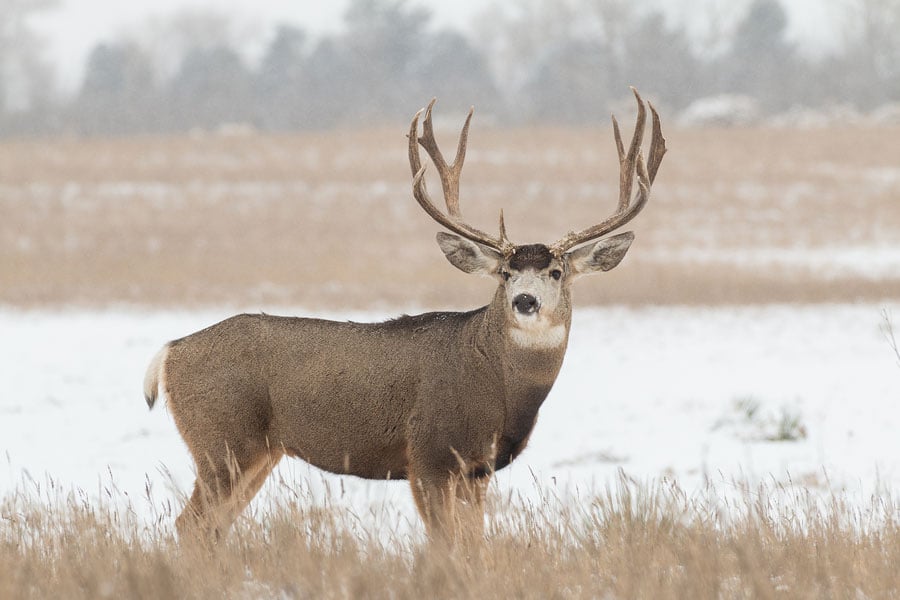
- Deer: General OTC tags are unlimited. Blacktail deer, estimated at 295,000, range from the coast to the Cascades. While dense habitat can make locating a mature buck extremely difficult, it’s a great state to check Blacktail off your deer species list. Mule deer, with a population of 156,000, can be found from the Cascades to the Idaho border.
- Bear: 1 bear per tag with an option to purchase an additional bear tag. In 2023, hunters took 1,424 bears during the general season
- Turkey: With a population of around 45,000, and generous bag limits, you can have a lot of fun chasing Rio’s, Merriam’s, and Hybrids here. With 5,948 harvested last season.
- Antlerless Elk Damage Hunts: Primarily offered on private land. While some units may be challenging to access or locate elk, hiring an outfitter can significantly increase your odds and provide a great meat hunt.
- Mountain Lion: Oregon’s lion population is growing and estimated at 6,000. The harvest quota is set at 970, but it has never been met. Over the past ten seasons, the average annual harvest is about 327 lions. OTC hunting is available throughout the year, but quotas apply by unit and region.
- Whitetail Deer: Illegal to harvest in all western Oregon general units unless on controlled hunts. Don’t mistake them for blacktails in these areas.
- Westside Hunting (Coastal Range & Cascades): Expect dense cover with limited glassing opportunities. To improve visibility, target clear-cuts, burns, and timber company lands. Many timber companies allow hunting through walk-in access, permits, or by participating in controlled hunts. Research these access options in advance to maximize your opportunities.
- Elk Strategy: Oregon's elk hunting often requires still-hunting or calling in thick timber. Be prepared to get close, move quietly, and navigate steep terrain.

- Deer (Whitetail, Blacktail, Mule)
- Elk (Eastern & Western)
- Turkey (Spring & Fall)
- Bear (Fall)
- Mountain Lion (Quota-Based)
- General Deer: Archery, Muzzleloader, and Rifle (September – December; varies by species and weapon type)
- General Elk: Archery, Muzzleloader, and Rifle (August 2025 – January 2026; varies by species and weapon type)
- Spring Turkey: April 15 – May 31
- Fall Turkey: September 1 – December 31
- Fall Bear: August 1 or 15 – November 15 (varies by region)
- Mountain Lion: September 1 – March 31
Why Hunt Washington OTC?
Washington is often overlooked in western big game discussions, but that’s starting to change. In fact, a record-breaking bull elk grossing 490 4/8" was harvested last season, bringing new attention to the state’s hidden potential. This state also offers the opportunity to hunt three different deer species. Several general elk units offer spike-only or antlerless tags, ideal if your priority is filling the freezer. Washington is also a sleeper state for turkey hunting, offering stunning scenery and generous bag limits. Hunters can legally harvest up to seven turkeys annually across spring and fall seasons and get to chase after Merriam’s, Rio’s, and Easterns. Bear hunting is also great, with 1,793 bears harvested last season with a 10% success rate.
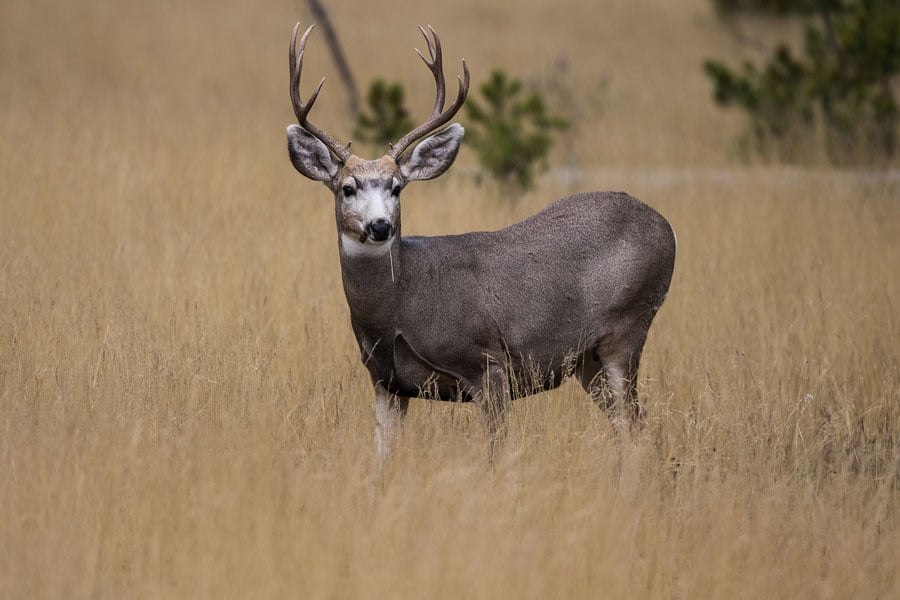
- Deer: General deer tags are unlimited. The northeast corner holds healthy whitetail and elk populations, while mule deer are common in the central basin. Blacktail can be found on the western portion of the state. The latest report showed a general deer harvest of 25,267 with a success rate of 28%.
- Elk: General elk tags are unlimited. The latest report showed a general elk harvest of 3,986 with a success rate of 9%.
- Turkey: Without a clear population estimate, they estimate it to be around 40,000. However, there were more harvested in Washington than Oregon, which lists a slightly higher population. Last year, 8,885 turkeys were harvested statewide.
- Bear: Fall season only so it’s the first opportunity hunters have to pursue them, often leading to increased sightings, especially for those already in the field chasing elk. The bag limit is 1 or 2 depending on the GMU.
- Mountain Lion: Washington’s lion population is not as abundant as in neighboring states, and the statewide quota is capped at 238. Hunters are limited to one tag per season. Without hounds (which are prohibited), spot-and-stalk lion hunting is extremely difficult, especially given the state's dense forest cover. There are a few regions conducive to this method, but success rates are low.
- Deer Hunters: Don’t sleep on Washington. With three deer species available OTC, and all with relatively equal population sizes, this state offers great flexibility.
- Eastern Washington: Better for spot-and-stalk mule deer in open terrain.
- Western Washington: Densely forested; focus on clear-cuts and timberland for challenging blacktail hunts.
- Northeast: Offers excellent whitetail opportunities, with high densities and accessible terrain.
- Bear Hunting: Consider picking up a bear tag when deer or elk hunting, as fall is a productive season.


- Deer (Mule & Coues – Archery Only)
- Bear (Spring & Fall)
- Turkey (Spring & Fall – Archery Only)
- Elk (General & HAM Units)
- Javelina
- Mountain Lion
- Archery Deer: August – January (varies by unit)
- Spring Bear: March 21 – April 24
- Fall Bear: Archery August–October | General August–December
- Archery Turkey:
- Spring: May 9 – 22
- Fall: August 22 – September 11
- General & HAM Elk: January 1 – December 31 (varies by area and weapon type)
- Javelina: General & Archery January 1 – December 31 (limited units)
- Mountain Lion: Late August – End of May (varies by unit)
Why Hunt Arizona OTC?
Arizona is one of the top archery deer destinations in the country, thanks to its OTC (non-permit) deer tags and extended season structure that includes the January rut. Hunters can chase Coues deer in the southern half of the state and mule deer along the northern rim. Bear hunting is another overlooked gem. While not heavily targeted, bears are often spotted while glassing for deer. Arizona enforces a female bear harvest quota, capped at 249 statewide. Male harvests are unlimited, though hunters are limited to one bear per calendar year. The most productive bear hunting typically occurs in October, making it a smart add-on tag if you're already in the field for deer.
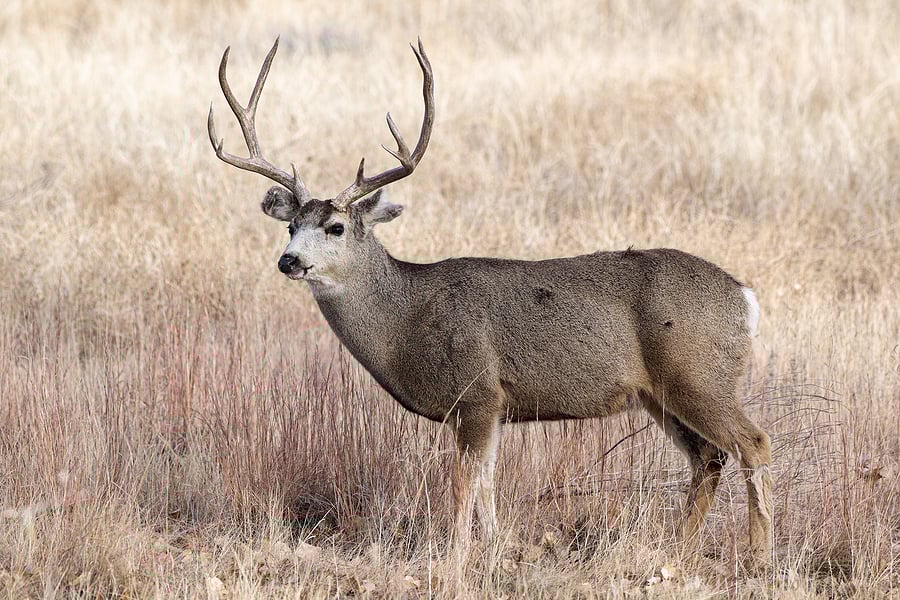
- Deer: The OTC tags are based on 10% of the total tag sales the year before. There is no cap on residents. So, however many are sold, 10% of that is how many tags non residents are offered. Last year it was 2,820. Each unit is subject to a harvest limit so you will have to keep yourself updated for unit closures.
- Bear: Any firearm may be used and the bag limit is 1 per calendar year. Keep yourself updated on unit closures.
- Turkey: Arizona is home to three subspecies—Merriam’s, Rio Grande, and Gould’s. Gould’s must be drawn, but Merriam’s and Rio Grande turkeys are available OTC for archery only during spring and fall seasons.
- Javelina: OTC tags exist for very specific areas where the Game & Fish Department is attempting to reduce or eliminate resident populations. These areas typically have low densities and limited public access.
- Elk: OTC elk tags are issued in population control units, mostly on private land or difficult-to-access areas. Success rates are low unless you are very familiar with the terrain or have private land access.
- Mountain Lion: Arizona allows the use of hounds to hunt lions and offers a pursuit-only season in four units. Each unit has a harvest quota; the statewide lion quota is 359, with a bag limit of one per calendar year. Over the past five years, the average annual harvest is 281 lions.
- January Archery Deer Season: This is prime time to hunt as bucks are in the peak of the rut and easier to locate. Glassing for extended periods is the name of the game, be patient and methodical.
- OTC Tag Strategy: Arizona's archery deer permits are valid for the entire calendar year, from January 1 to December 31. However, tags go on sale in early November and the non-resident quota is capped at 2,820, so act fast if you're from out of state.

- Bear (Fall)
- Deer (Restricted & Unrestricted)
- Turkey (Spring & Fall)
- Wild Pig
- Archery Bear: August 16 – September 7
- General Bear: August 16 – December 28 | October 11 – December 28
- Restricted & Unrestricted Deer: Varies by unit and weapon type
- Spring Turkey:
General: March 29 – May 4 - Archery Only: May 5 – 18
- Fall Turkey: November 9 – December 8
- Wild Pig: Year-round
Why Hunt California OTC?
California is home to the second largest black bear population in the U.S., trailing only Alaska. From the low harvests, the population is thriving and producing some massive bears. For those willing to put in the work, the opportunity for a trophy-class bear is real. The state also has the fourth largest turkey population, with nearly 21,000 birds harvested last season. Spring hunts can be action-packed, especially in oak woodlands and rolling hills. Deer hunting in California often flies under the radar, but nice bucks are taken every year. OTC deer tags are more of an opportunity-based hunt, great for those happy to locate and harvest a legal buck rather than chase trophies.
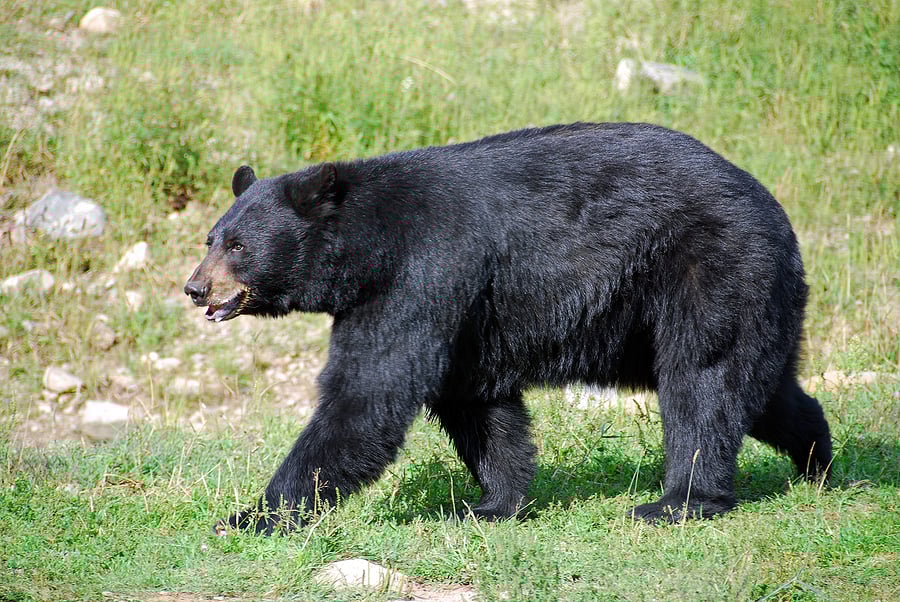
- Bear: 1 bear may be harvested during the license year. Despite a statewide quota of 1,700 bears, that number hasn’t been reached since 2012, the last year hound hunting was legal. In 2023, only 976 bears were harvested.
- Deer: Hunters may obtain two deer tags in a license year.
- Turkey: California allows up to five turkeys per year, three bearded in the spring and two either-sex in the fall.
- Wild Pig: California offers year-round wild pig hunting, and with a valid hunting license and wild pig validation, you can harvest an unlimited number. The three-year average shows 3,030 pigs taken annually, with Monterey and San Luis Obispo counties consistently producing the highest harvest numbers. Wild pigs can be a great bonus tag for hunters already in the field.
- Bear: Focus on the North Coast/Cascade and Sierra Nevada regions, which account for 90% of the state’s bear population. The Central and South Coast also hold bears, though in lower densities.
- Since baiting and hounds are prohibited, success comes from keying in on prime food sources like acorns and berries.
- In thick cover, still-hunting or setting up near feeding areas or water may yield better results than spot-and-stalk.
- Turkey: Public land turkey hunting is solid, especially in the foothills and public oak savannahs.
- Deer: If you’re looking for a challenge or just want to fill a tag on a legal buck, OTC deer can scratch that itch. But don’t overlook the chance at a big one, some real monsters come out of overlooked zones each year.
- Pig: If you're hunting in pig country, always carry a pig tag, you never know when the opportunity will pop up.
PREP LIKE A PRO.
HUNT LIKE A FOOL.
GO ON MORE HUNTS WITH BETTER INFORMATION

HUNTIN' FOOL MEMBERSHIPS

$16.58
Per Month
$199 BILLED ANNUALLY
Unlimited One-On-One hunt consultations and everything you need to prep like a pro and hunt like a fool.

$4.00
Per Month
$48 BILLED ANNUALLY
Access our digital research tools, draw more tags, and hunt with better information.

Huntin' Fool Magazine
$99 BILLED ANNUALLY
The Ultimate Printed Resource Shipped to Your Door Every Month.
- State Application Strategies
- Comprehensive Hunt Research
- Proprietary Unit Reviews
- Advisor & Member Stories
- Gear Insights & Product Reviews
Still Have Questions?
At Huntin' Fool, we are always looking for ways to improve our service and help out members to the very best of our abilities. We believe communication is what makes our Huntin' Fool community great!