Dutton
Black Bear: February 18, 2025
Big Game: April 24, 2025
Antlerless & Points Only: June 18, 2025
Swan & Grouse: Mid July, 2025
Youth & Archery General Elk Permits on Sale: July 8, 2025
Any-Bull General Elk Permits on Sale: July 10, 2025
Spike General Elk Permits Available: July 17, 2025
Private-lands Cow Elk Permits Available: July 29, 2025
Sportsman's Resident Raffle: November 6, 2025
Spring Turkey: December 27, 2025
| UP-FRONT FEES | |
| Non-Resident Hunting License | $147.17 |
| Youth (<18) Non-Resident Hunting License | $44.97 |
| Application Fee Per Species | $21.46 |
| POST DRAW FEES (IF SUCCESSFUL)* | |
| Desert Bighorn Sheep | $4,075.74 |
| Rocky Mountain Bighorn Sheep | $4,075.74 |
| Moose | $3,564.74 |
| Rocky Mountain Goat | $3,564.74 |
| Bison | $4,946.48 |
| Limited-Entry Elk | $1,992.90 |
| Multiseason Limited-Entry Elk | $2,713.41 |
| General Bull/Spike Elk (Adult or Youth) | $867.68 |
| Multiseason General Spike Elk (Adult) | $1282.61 |
| Youth Only General Elk | $765.48 |
| Premium Limited-Entry Buck Deer | $1,428.76 |
| Multiseason Premium Limited-Entry Buck Deer | $2,381.26 |
| Limited-Entry and Limited-Entry Management Buck Deer | $1,093.54 |
| Multiseason Limited-Entry Buck Deer | $2,309.72 |
| General Deer | $612.18 |
| General Deer Dedicated Hunter Program (Adult) | $1,275.46 |
| General Deer Dedicated Hunter Program (Youth) | $935.13 |
| General Deer Dedicated Hunter Program - Per Hour | $40.88 |
| Antelope | $583.56 |
| Rocky Mountain Bighorn Sheep (Ewe) | $2,146.20 |
| Cow Moose | $2,248.40 |
| Cow Elk | $663.28 |
| Doe Deer | $241.19 |
| Doe Antelope | $241.19 |
| Black Bear | $613.20 |
| Multiseason Black Bear | $908.56 |
| Turkey | $178.85 |
| All pricing includes the 2.2% processing fee. *Current as of September 2025 |
|
| UP-FRONT FEES | |
| Hunting License | $40.88 |
| Youth Hunting License (< 18 Years Old) | $16.35 |
| Application Fee Per Species | $10.22 |
| POST DRAW FEES (IF SUCCESSFUL)* | |
| Desert Bighorn Sheep | $576.41 |
| Rocky Mountain Bighorn Sheep | $576.41 |
| Moose | $463.99 |
| Mountain Goat | $463.99 |
| Bison | $470.12 |
| Limited-Entry Elk | $320.91 |
| Multiseason Limited-Entry Elk | $574.41 |
| General Bull/Spike Elk (Adult or Youth) | $57.23 |
| Multiseason General Spike Elk (Adult) | $204.40 |
| Youth Only General Elk | $51.10 |
| Premium Limited-Entry Buck Deer | $189.07 |
| Multiseason Premium Limited-Entry Buck Deer | $343.39 |
| Limited-Entry and Limited-Entry Management Buck Deer | $96.07 |
| Multiseason Limited-Entry Buck Deer | $173.74 |
| General Deer | $47.01 |
| General Deer Dedicated Hunter Program (Adult) | $219.73 |
| General Deer Dedicated Hunter Program (Youth) | $122.64 |
| General Deer Dedicated Hunter Program - Per Hour | $40.88 |
| Antelope | $64.39 |
| Rocky Mountain Bighorn Sheep (Ewe) | $112.42 |
| Cow Moose | $254.48 |
| Cow Elk | $58.20 |
| Doe Deer | $37.20 |
| Doe Antelope | $35.77 |
| Black Bear | $95.05 |
| Multiseason Black Bear | $187.03 |
| Turkey | $40.88 |
| All pricing includes the 2.2% processing fee *Current as of September 2025 |
|
| MULE DEER (LIMITED ENTRY) | |
| Archery | Aug 16 – Sep 12, 2025 |
| Muzzleloader | Sep 24 – Oct 2, 2025 (varies by unit) |
| Muzzleloader (Late hunt on General Units) | Oct 29 - Nov 6, 2025 |
| Rifle | Oct 18 – Oct 26, 2025 (varies by unit) |
| HAMMS | Nov 8 - Nov 30, 2025 |
| MULE DEER (GENERAL) | |
| Archery | Sep 2 – Sep 30, 2025 |
| Muzzleloader | Sep 24 - Oct 2, 2025 |
| Rifle (1st season) | Oct 8 - Oct 12, 2025 |
| Rifle (2nd season) | Oct 18 - Oct 26, 2025 |
| PRONGHORN | |
| Archery | Aug 16 – Sep 12, 2025 |
| Muzzleloader | Sep 24 – Oct 2, 2025 |
| Rifle | Sep 13 – Sep 21, 2025 |
| ELK (GENERAL) | |
| Archery (Spike Units) | Aug 16 – Sep 5, 2025 |
| Archery (Any Bull Units) | Aug 16 – Sep 17, 2025 |
| Rifle (Spike Units) | Oct 4 – Oct 16, 2025 |
| Rifle (Any Bull Units) | Oct 4 – Oct 10, 2025 (1st season) |
| Rifle (Any Bull Units) | Oct 11 – Oct 17, 2025 (2nd season) |
| Muzzleloader (Any Bull Units) | Oct 29 – Nov 6, 2025 |
| ELK (LIMITED) | |
| Archery (Early) | Aug 16 – Sep 16, 2025 |
| Archery (Late) | Nov 29 – Dec 14, 2025 |
| Muzzleloader | Sep 22 – Oct 3, 2025 |
| Elk Rifle (Early) | Sep 17 – Sep 21, 2025 |
| Rifle (Mid) | Oct 4 – Oct 16, 2025 |
| Rifle (Late) | Nov 8 – Nov 16, 2025 |
| BISON | |
| Any Legal Weapon | Nov, 2025 – Jan, 2026 (varies by unit) |
| DESERT BIGHORN SHEEP | |
| Any Legal Weapon | Sep 13 – Nov 10, 2025 |
| ROCKY MOUNTAIN BIGHORN SHEEP | |
| Any Legal Weapon | Oct – Nov, 2025 (varies by unit) |
| MOUNTAIN GOAT | |
| Any Legal Weapon | Sep – Nov, 2025 (varies by unit) |
| SHIRAS MOOSE | |
| Any Legal Weapon | Sep 13 – Oct 31, 2025 |
| YEAR | ELK, DEER, ANTELOPE & ONCE-IN-A-LIFETIMES | BLACK BEAR | ANTLERLESS |
|---|---|---|---|
| 2025 | May 13 (emails & online) | February 27 | July 2 |
| 2024 | May 14 (emails & online) | February 28 | July 5 |
| 2023 | May 25 (emails) | February 28 | July 6 |
| 2022 | May 13 (emails) | March 2 | June 28 |
| 2021 | May 11 (emails) | March 2 | June 29 |
| 2020 | May 15 (emails) | June 30 | |
| 2019 | May 13 (emails) | ||
| 2018 | May 11 |
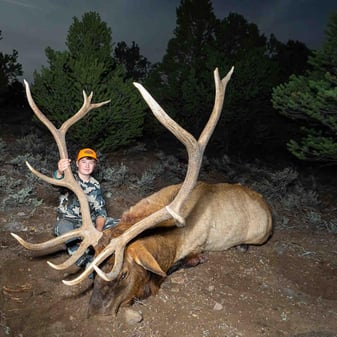
Despite Utah lowering their management age class levels in 2023, there is still some great hunting for mature trophy bulls across the state in most units. Most hunters figured that this move was the beginning of the end for trophy class bulls in the state, but somehow Utah is still holding solid for great bulls. A lot of this can be attributed to other management changes like moving the bulk of the tags to less opportune times for harvest, like the mid-season rifle hunts in October. This redirected tags from the early rifle hunt in September when bulls are at their most vulnerable state, and consequently, most of the units across the state do not have any preference tags awarded for those early rifle hunts.
| UNIT | COMMENTS |
|---|---|
| Barney Top/Kaiparowits HAMSS Unit | Southcentral unit under HAMSS plan with fewer elk than Boulder to the north. Highest elk concentration north of Hwy 12 in dense lodgepole pine with limited roads. Mid-elevations feature open yellow pine and oak/manzanita benches. South of Hwy 12 elk are sparse due to desert habitat and scarce water; Canaan Mountain is key scouting area. Archery hunt in September can be excellent; late HAMSS hunt tougher due to timing. Holds 340"+ potential. |
| Beaver, East | Mostly public land with maintained BLM/forest roads and ATV trails. Terrain varies from rugged steeps with pine/aspen ridges to pinyon/juniper/sagebrush lowlands, with many burn scars. Healthy elk population, strong chance at 360"+ class bulls. Permits nearly doubled in 2022 to manage bull-cow ratio; bull quality remains stable. Managed for 6½–7 year‐old bulls. |
| Book Cliffs, Bitter Creek/East | Expansive public land with broken ridges, canyons, and mesas. Higher elevations host pine/aspen; lower pinyon/juniper, sage, oak. Southern end rugged; north more gradual. Good dirt-road and trail access. Elk struggling; bulls over 330" are rare. Wild horses damaging habitat. Offers 320–340"+ bulls, managed for 6–6½ year‐olds. |
| Book Cliffs, Little Creek Roadless | Smaller subunit with severe elk declines; closed to non-residents except mid-season hunt. Heavy bison, horse, cattle pressure and drought impact elk. No motorized access; use horse or foot trails. Steep broken ridges and grassy creek bottoms; timbered upper elevations. Very glassable. Managed for 6½–7 year-old bulls. |
| Boulder | Large public-land unit with elk in southern plateaus, meadows, rugged canyons. Middle/lower elevations mahogany, pinyon/juniper, oak, sage. High elk densities yield mature bulls. Early archery tough in thick cover; improves near rut. Early rifle/muzzleloader among best for big bulls; late hunts tougher. Excellent 340–360"+ potential; managed for 6½–7 year-olds. |
| Box Elder, Grouse Creek | Desert sage hills with aspen/juniper patches; complex CWMU/private mix—GPS chip advised. Elk wander across UT, NV, ID borders. Mostly young bulls, occasional mature. Private land issues make hunt tough; elk nomadic. Managed for 5½–6 year-olds. |
| Box Elder, Pilot Mtn | Straddles NV–UT along Pilot Mountains. Elk frequent UT agriculture early, winters in NV. Terrain pinyon/juniper and sage. Small elk population; managed 5½–6 year-olds but averages over 6 years with 340" potential. Shared season with NV hunters. |
| Cache, South | Part of Cache NF with dirt roads and ATV trails. Steep rocky drainages; pine/aspen/mahogany high slopes. Proximity to Logan brings archery spike/cow crowding. Early rifle/muzzleloader offer best rut action. Age‐class objective raised—quality improving to 320–330"+ bulls; managed for 6–6½ year-olds. |
| Diamond Mtn | Habitat largely private in north; thick timbered peaks and sage valleys. Public land tougher but success possible focusing waterholes. Early rifle/muzzleloader good as elk move with CO unit 1. Bull quality declining to ~320" range despite managed 5½–6 year-old objective; private‐land bulls older. |
| Fillmore, Pahvant | Mostly public with diverse habitats: aspen/pine high, mahogany/pinyon/juniper/oak mid, canyon country. ATV/truck access mixed with remote canyons. Bull quality rebounded 2024 with 370"+ bulls. Excellent glassing with road access to high points and new burns opening country. Expect 6½–7 year‐olds. |
| Fishlake/Thousand Lake | One of state’s largest elk populations on NF/BLM/state lands with extensive roads/ATV trails. High-elevation meadows and lower sagebrush. Archery crowded by spike/cow OTC; early rifle/muzzleloader solid rut hunts; late hunts can still be productive. Quality dipped with permit increases. Managed for 5½–6 year‐old bulls. |
| La Sal, La Sal Mtns | East of Moab: alpine basins to pine/aspen canyons to pinyon/juniper/sage floors. Thick timber and deep canyons require rutting bulls to locate. Mix of public and CWMU lands. Good roads but remote pockets need hiking/stock. Healthy population; improving quality—managed for 5½–6 year-olds. |
| Manti | Largest elk objective/population on NF/BLM/state lands. Good road/ATV trail access. Upper pine/aspen meadows to mid‐elev oak/pinyon/juniper. Archery tough with spike OTC; early rifle/muzz good rut; late hunts see elk east. Quality dipped—340"+ bulls rarer. Managed for 5½–6 year‐olds. |
| Monroe | Mostly public with excellent access via roads/trails. Central/northern thick pine/aspen; north/south aspen/pine/sage flats. Elk in controlled burns are easier to spot. High densities allow self-guided 340–350"+ bull hunts; must pass on many 300–320" bulls. All seasons offer great rut activity. Managed for 6–6½ year-olds. |
| Mt. Dutton | Remote public land with limited roads. Aspen/pine and burns high; mahogany/pinyon/juniper mid. Few roads on edges; ideal backpack/horse hunts. Glassable ridges; early archery tough, early rifle/muzz solid, late seasons pull elk into unit—excellent mature bull numbers. 340–350"+ potential; managed for 6–6½ year-olds. |
| Nebo/San Pitch Mtns | Steep rugged terrain with mixed pine/aspen/alpine and pinyon/juniper/oak. Nebo Loop provides access but most is hiking/horseback. Upper elevations public; borders private. Produces some mature bulls but struggles age class. Late hunts demand physical effort. Average bulls 300–320", rare 350"+; managed for 5½–6 year-olds. |
| North Slope, Three Corners | NE corner bordering WY/CO. Mostly public with good road/ATV access. High desert cedars, pinyon/juniper, rolling sage. Only one mid-season rifle hunt; no spike OTC overlap. Potential 300–330" bulls; elk migrate from WY. Managed for 5½–6 year-olds. |
| Panguitch Lake | NF/BLM/state lands with private inholds. Brianead fire burns creating dense aspen—elk spread into tight cover. Good road access; populations strong with improved habitat. Early rifle tag available. Quality trending down but still 340"+ possible; managed for 6–6½ year-olds. |
| San Juan | Huge SE unit: Elk Ridge/Abajo Mountains rugged canyon country into desert floors. Good public road/ATV access with remote pockets. Archery offers strong rut; high success across seasons though late hunts tough. Quality lower but 350"+ possible; managed for 6½–7 year-olds. |
| Southwest Desert, North (HAMSS) | Northern half of old Southwest under HAMSS. Sage valleys and pinyon/juniper ridges. Lower elk numbers, limited water. Scattered elk between San Francisco/Wah Wah ranges—long challenging hunt. Outfitter recommended. Archery waterhole success; many big bulls taken previous year so local intel crucial. |
| Southwest Desert, South | SW desert along NV border: open sage and pinyon/juniper. Good roads, less physical. Elk rely on springs/guzzlers. Archery tough (spike pressure, heat). Early rifle/muzz decent rut but hot. Population low; feral horses damage habitat. Quality improving—340"+ seen; managed for 6–6½ year-olds. |
| Wasatch Mtns | Along populated Wasatch Front: steep timbered canyons with oak. Public land but bulls shift to private in mid/late hunts. Many roads/trails into high elevations. Archery and mid-rifle tough due to spike hunt overlap; early rifle/muzzleloader better rut. Quality slipping—mostly 280–310" bulls, rare 340"+. Managed for 5½–6 year-olds. |
The Utah Big Game application period deadline is 11:00 p.m. MST on April 24, 2025. The bonus point/preference point application period will be open during the antlerless application period.
Our magazine, which is available in print and online, has everything in one location - application info, draw details and odds, fees, hunter requirements, point structure, age restrictions, youth information, weapon restrictions, other tag opportunites, hunt planning, and much more. If you would like access to all of our research, join today!
| UTAH ELK HUNT TYPE | 2025 SEASON DATES |
|---|---|
| General Archery (Spike Units) | Aug 16 – Sep 5, 2025 |
| General Archery (Any Bull Units) | Aug 16 – Sep 17, 2025 |
| General Rifle (Spike Units) | Oct 4 – Oct 16, 2025 |
| General Rifle (Any Bull Units) | Oct 4 – Oct 10, 2025 (1st season) |
| General Rifle (Any Bull Units) | Oct 11 – Oct 17, 2025 (2nd season) |
| General Muzzleloader (Any Bull Units) | Oct 29 – Nov 6, 2025 |
| Limited Archery (Early) | Aug 16 – Sep 16, 2025 |
| Limited Archery (Late) | Nov 29 – Dec 14, 2025 |
| Limited Muzzleloader | Sep 22 – Oct 3, 2025 |
| Limited Elk Rifle (Early) | Sep 17 – Sep 21, 2025 |
| Limited Rifle (Mid) | Oct 4 – Oct 16, 2025 |
| Limited Rifle (Late) | Nov 8 – Nov 16, 2025 |
Disclaimer: Elk seasons include general and limited-entry options; dates and weapon splits vary by unit. Confirm with Utah DWR.
$199 BILLED ANNUALLY
Unlimited One-On-One hunt consultations and everything you need to prep like a pro and hunt like a fool.
$48 BILLED ANNUALLY
Access our digital research tools, draw more tags, and hunt with better information.
Our members experience improved hunting opportunities as a direct result of the Huntin' Fool magazine. We are the only publication that breaks more than 20 states' hunting regulations and draw systems into bite-sized chunks for our members.
Tags and opportunities have increased for limited elk hunting in Utah as a result of this change, which has been good, but there is still far more demand than tags available, so the draw odds and point creep continue to escalate. This makes Utah a very difficult state to recommend to any hunter out there as a short-term (20 years) strategy. Utah does, however, issue half the tags through a random draw that is filled with every applicant that was unsuccessful in the preference draw. These odds are lottery-type odds and are very difficult, but someone could draw a world-class hunt on the first year they apply. The best thing Utah has to offer with its elk hunts is that even the units managed for the lowest age class of bull are still better than most elk hunts in other states out west.
Most elk units in Utah have three rifle hunts consisting of an early rifle hunt in mid-September, a mid-season rifle hunt the first of October, and a late rifle hunt in mid-November. The early season is obviously the best hunt for prime rut activity and yields the best chance at a mature bull. The mid-season hunt overlaps with a general rifle spike-only elk hunt and has the most tags issued for it and is the hardest hunt to find a mature bull. The late season has fewer tags and can be the physically toughest hunt of the three, but if you can locate where the bulls are calling home, it can be productive for mature bulls.
Although an elk draw for most applicants is most likely a long shot, if you are already applying for the state for an extra $16, the risk is absolutely worth the reward if successful.
Most units also have two archery seasons consisting of an early archery season that runs from mid-August to the second week of September and a late archery hunt in early December. The first part of the early archery hunt can be difficult without some scouting as most of the bulls at this time will still be in bachelor groups and not bugling. Towards the first of September, things will start to pick up with the rut and bulls become a lot more vocal. The late archery hunt was introduced in 2023 and has been a very difficult hunt when it comes to harvest success. The pro about this hunt is there are very few tags and most of the time is the only hunt going on at that time. The stalking is always going to be problematic with crunchy snow and groups of bulls together, but the odds are incredibly good to draw.
Most units also have one muzzleloader season the last week of September. This is one of the best hunts for elk because of the timing, and since Utah went back to open sight or 1 power scopes, the random draw odds have gotten a little better. The same issue exists for this hunt as the early rifle in that Utah issues very few tags for the muzzleloader season and most tags are only available in the random draw.
Utah has one other type of elk unit, HAMSS. HAMSS stands for Handgun, Archery, Muzzleloader, Shotgun, and Straight-walled cartridge. These have different seasons than the normal elk units that consist of an archery season that runs the entire month of September and a late HAMSS weapon season that runs most of the month of November. These units consist of low elk populations and/or predominantly private land. These units can produce some mature bulls but can be very difficult hunts and should be applied for with caution.
Advisor Articles from Our Magazine on Utah Application and Hunting Strategy
Utah has four options available for general elk permits — archery, muzzleloader, any weapon, and multi-season. The multi-season hunt is only available for the spike-only units, though. There is a 15,000 permit quota in place for the rifle and muzzleloader seasons for spike-only hunting, but there is a 4,500 permit cap on multi-season spike permits that can be sold. For general any bull units, there are two seven-day rifle seasons that take place at the beginning of October. These hunts will be back to back starting October 4th, and the second hunt concludes October 17th. The permits for these hunts are sold over-the-counter, but only the first hunt is subject to the 15,000 permit quota. The second hunt has an unlimited quota. The first rifle and muzzleloader hunts make up the 15,000 permit quota. The archery permit is still an either-sex tag and has an unlimited quota.
Beginning last year, Utah now has unlimited general youth elk tags. These allow youth to hunt in both spike-only and any bull general elk areas during all seasons until they harvest. We will cover the over-the-counter options for elk in Utah on a more in-depth level in our July issue.
Utah divides general season elk opportunities into two categories – spike-only and any bull. Bowhunters may harvest a spike bull or a cow on spike units during the archer’s choice elk permit. Any bull units may be archery hunted with the archer’s choice permit, but hunters can harvest any bull or a cow. The only archery season runs 12 days longer than the spike-only weapon hunts, and the any bull season will overlap the youth any bull hunt from the 13th to the 19th and all muzzleloader hunters may hunt the any bull hunt as well. Any bull firearm permits are valid in all any bull units. Spike-only firearm permits are valid in all spike-only units. Obviously, the spike-only units produce mostly younger bulls. They do not produce mostly young, immature bulls as well. We included tables for each season (archery, muzzleloader, and rifle) so hunters could get a better idea of harvest statistics for each season as well as how many hunters there would share the same field with. We only listed four units in the Muzzleloader Any Bull table as most of the units that have enough public land to hunt are hit and miss for harvest success.
Beginning last year, Utah now has unlimited general youth elk tags. These allow youth to hunt in both spike-only and any bull general elk areas during all seasons until they harvest. We will cover the over-the-counter options for elk in Utah on a more in-depth level in our July issue.
There are two seven-day rifle hunts on any bull units back to back in October. The first hunt will run October 4-10, and the second hunt will run October 11-17. The first rifle hunt will have a shared 15,000 permit quota with the muzzleloader hunt that will be issued on a first-come, first-served basis on July 17th. The second rifle hunt has an unlimited permit quota. Utah has multi-season spike-only permits available for purchase, with a cap of 4,500. There are no multi-season any bull permits available.
Almost all of Utah’s limited-entry bull elk units have a spike-only hunt on them. These limited-entry units have the best genetics and highest chance of success when hunters put in the effort. Hunting pressure is lower, but hunters must be aware that these units often include thick cover and steep shooting canyons. Some of the best non-resident opportunities are found in these units, but these are still archery and spike-only permits. The second hunt has no cap, but the first and third rifle seasons will all have a limited-entry spike bull hunts during the same season, October 4-16.
For the most part, any bull units have either a large amount of private land and are very difficult to manage as a limited-entry unit or are being managed for lower elk populations. Those units that largely consist of public land get hunted hard, and mature bulls are driven off quickly into the thick. Most of the any bull units in Northern Utah consist of private land, except the Uinta Mountains. Some of these units have better hunting for mature bulls, but it is highly dependent on the private lands. There will always be a few big, mature bulls that come from the any bull units in Utah, but most of the big bulls are either off some of the private land or wander of a neighboring limited-entry unit.
A benefit of having an archery elk or archery deer permit in Utah is the fact that if you do not harvest an elk or deer during the regular season, you can use your unfilled permit to hunt the extended archery season. There are multiple hunt areas with different season dates, depending on if you are hunting deer or elk. Box Elder, West Bear River, Herriman South Valley, Ogden, Uintah Basin, Utah Lake, Wasatch Front, and West Cache deer hunts have September 13-November 30 dates. Nine Mile, Green River, Sanpete Valley, and South Wasatch deer hunts span September 13-October 15. The Uintah Basin, West Cache, and Wasatch Front extended archery elk season is August 16-December 15. These hunts have become very popular among locals and are catching on with non-residents as well, so you can expect heavy hunting pressure. However, some nice bucks and bulls get harvested on these hunts every year.
Hunters will need to take an online ethics course before they can hunt in one of the extended archery areas. To take the course, visit www.wildlife.utah.gov/extendedarchery. Most of the areas consist of low elevation zones close to towns or agriculture fields where animal/human conflicts are a problem, so they have this hunt to eliminate or push deer and elk into mountain foothills. Deer hunters can find some nice bucks on these hunts in the 140-160” range. Elk hunters will have a tough time finding many bulls over 3 years old without some local knowledge of the area. This can be a very physically demanding hunt for elk as the terrain is very steep country in most units.
General season spike and any bull elk permits may be obtained at www.wildlife.utah.gov or from license agents and Division offices. General season archery elk permits will go on sale on July 8, 2025. General season any bull elk permits will go on sale on July 10, 2025. General season spike bull permits will go on sale on July 17, 2025. Archery elk permits are unlimited. Rifle and muzzleloader tags come from the same quota pool. The any bull rifle hunts are split into two seven-day seasons. The first season will have a 15,000 permit quota that is on a first-come, first-served basis. The second hunt has an unlimited quota. General muzzleloader permits will also be counted toward the 15,000 early rifle quota. There will be 15,000 rifle/muzzleloader spike permits for 2025 and unlimited youth general elk any bull/spike bull permits.
Youth may hunt all seasons with this youth general elk permit. Permits are available on a first-come, first-served basis. Utah issues multi-season general elk permits for spike-only hunts. This permit allows the hunter to hunt during the general archery, rifle, and muzzleloader hunts until they have harvested an animal. During the archery season, you can hunt spike and any bull units, but you are limited to spike-only hunts during the rifle and muzzleloader seasons. These permits do not affect the general rifle/muzzleloader quotas.
If you meet Utah’s hunter education requirements and are 17 years old or younger by July 31, 2025, you may purchase one of the youth archery deer permits over-the-counter. They will be available for purchase at 8 a.m. on July 8, 2025. They are limited in quantity. For details, go to wildlife.utah.gov/youth. This is a great opportunity for youth hunters who weren’t successful in the big game drawing. General any bull/spike rifle/muzzleloader elk permits are unlimited for youth hunters.
Utah has made it possible for potential hunters to try hunting before they complete a hunter education course. Anyone who is interested in hunting can enroll in the program and take an online orientation course and exam to receive an authorization number that can be used to purchase a variety of small game, general deer, and elk permits. Enrolled hunters must be accompanied by a licensed adult over the age of 21 while in the field. The only age restriction is that the enrolled hunter must be 12 years old at the time of the hunt. After a hunter has enrolled, they can take advantage of the program for three years. For more information, go to www.wildlife.utah.gov/trial.
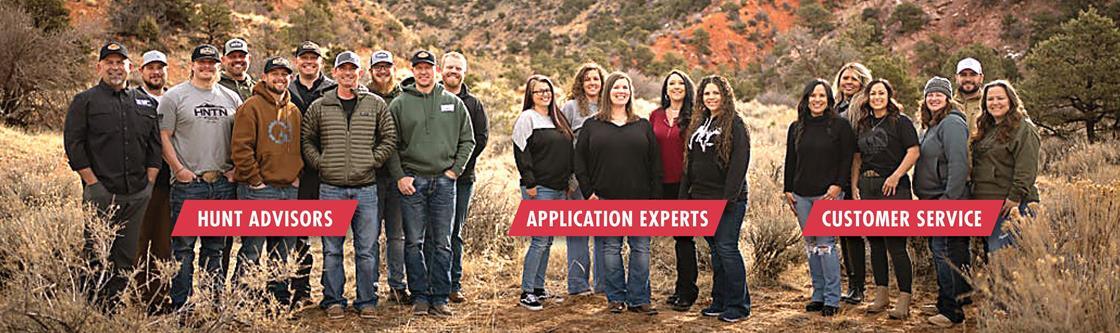
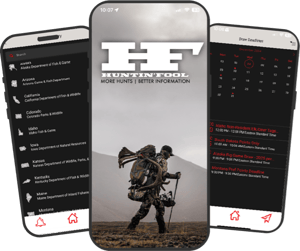
Huntin’ Fool offers a wide variety of services and resources within the hunting space, and the Huntin’ Fool App offers access to them all. Utilizing this app, you will be able to apply for hunts, plan hunts, buy hunts, and win hunts. This app is simple to use and puts the tools you need to go on great hunts right at your fingertips.
At Huntin' Fool, we are always looking for ways to improve our service and help out members to the very best of our abilities. We believe communication is what makes our Huntin' Fool community great!
In Utah, non-residents can hunt elk with various tag options. The tag cost is $357.70 for a cow elk tag, $626.49 for a general bull tag, $848.26 for a multi-season general spike elk tag, $1,073.24 for a limited entry elk tag, and $1,895.81 for a multi-season limited entry elk tag. Additionally, non-residents must purchase a hunting license for $122.64 and pay an application fee of $16.35 per species. (Prices include a 2.2% processing fee for CC and subject to change depending on state regulations)
The Utah elk draw works with different systems for various types of hunts. For Limited Entry hunts, antlered elk use a hybrid point system, while antlerless elk use a preference point system. For General Elk hunts, there is no draw. Rifle tags are available over the counter (OTC) on a first-come, first-served basis, and archery tags are also OTC with no limit on availability.
For Utah elk hunts, applications for the Big Game Draw are due by late April, with results announced in mid-May. For the Antlerless Draw, the application deadline is mid-June, and results are released at the beginning of July.
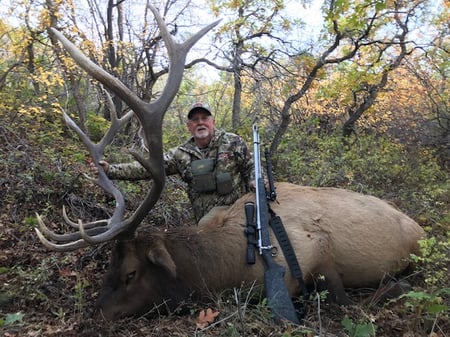
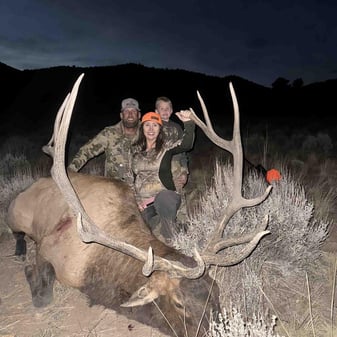
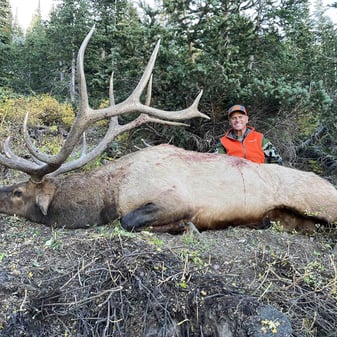
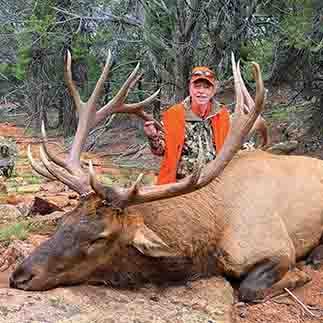
In Utah, trophy and size expectations vary by hunt type. For Limited Entry elk hunts, bulls typically range from 320 to 370+ inches. In General Elk hunts, any bull hunt can yield anything from a spike to a 3-year-old bull, while spike bull hunts are limited to spike bulls. General archery elk hunts generally produce smaller bulls or cows.
Yes, non-residents can hunt elk in Utah. They need to apply for the necessary draw, which include non refundable application fees, a nonresident hunting license, and the appropriate tag fees depending on the type of elk hunt they are pursuing. Non-residents can participate in both Limited Entry and General Elk hunts (just not in the same year), subject to the same application processes and draw systems as residents. There is no nonresident/resident quota in place for General Elk hunts.
The best draw odds for elk hunting in Utah are not specific to particular areas but are influenced by the management of the units. Units managed for older age class bulls are harder to draw. General elk tags are available over the counter (OTC).
In Utah, areas managed for older age class bulls typically have the highest success rates. Most limited entry elk units boast over a 75% harvest rate for rifle hunts and a 40-60% success rate for archery hunts.
In Utah, the best trophy quality is found in units managed for older age class bulls. Any Limited Entry unit offers a chance for a big, mature bull, as trophy quality is closely linked to the management of the unit.
Limited Entry units generally offer good to great public access. For General Elk hunts, spike units have the best public access among general hunt areas. Any Bull units vary, with most having poor to decent public access to areas with better elk numbers, except for the Uinta Mountains, which has good public access but is mostly wilderness area.
For Limited Entry hunts, overlapping general elk and deer hunts during archery and mid-season rifle hunts can lead to unexpected crowding. Wilderness, terrain, and season dates vary by unit, and details are covered in Huntin’ Fool magazine.
Because applicants must purchase a nonrefundable hunt license, they can apply for additional species for just the application fee of $16.35. General deer offers a quicker turnaround for drawing a tag within the next five years. Adults can mentor their tags to youth but must be present during the hunt. Youth antlerless elk, deer, and antelope hunts receive 20% preference. Additionally, there are separate points for antlered and antlerless applications.