new-hampshire-flag

New Hampshire

May 30, 2025

Dates & Fees | New Hampshire Moose Hunting

May 30, 2025

UP-FRONT FEES
Moose Application $25.00
POST DRAW FEES (IF SUCCESSFUL)
Hunting License $113.00
Archery Hunting License $83.00
Moose Permit $500.00
Wildlife Habitat Fee $2.50

UP-FRONT FEES
Moose Application $15.00
POST DRAW FEES (IF SUCCESSFUL)
Hunting License $32.00
Archery Hunting License $32.00
Moose Permit $150.00
Wildlife Habitat Fee $2.50

MOOSE SEASONS NEW HAMPSHIRE
MOOSE – ALL WEAPONS / SEASONS October 18 – 26, 2025

YEAR RESULTS POSTED
2025 June 20
2024 June 21
2023 June 16
2022 June 18
2021 June 18

11 Hazen Drive
Concord, NH 03301
ph. 603-271-3421


New Hampshire Moose Hunting 2025

The New Hampshire moose hunt application period is open, and the application and information booklet can be found at www.wildlife.state.nh.us/hunting/moose.html. Your application must be postmarked or submitted online by midnight (ET) on May 30, 2025. Anyone who obtained a moose permit in 2022, 2023, or 2024 is not eligible to apply for a permit or accrue a bonus point in 2025. The moose drawing will be held at 9 a.m. on June 20, 2025. Only successful applicants will be notified. Results of the drawing will be posted at www.huntnh.com on the lottery day.

Applications | New Hampshire

New Hampshire does not allow hunters to apply as a party.


Moose applications must be submitted by paper or online. Paper applications can be found at www.wildlife.state.nh.us/hunting/documents/moose-lottery-app.pdf, but we encourage you to apply online where you will be given instant confirmation that your application has been received, thus reducing the likelihood that your application will not be received or that it may be rejected due to errors. You can apply online at https://www.wildlife.nh.gov/hunting-nh.

New Hampshire requires you to pay the non-refundable application fee. You do not need to pay for a hunting license or a moose permit unless you are successful in the drawing.

New Hampshire | Advisor Insights

The 2024 moose hunt had a total of 35 moose permits issued. Of those 35 permits, 33 were issued in the state lottery, 1 was an auction tag, and 1 was a Dream Hunt program participant. A total of 23 moose were harvested, 19 bulls and 4 cows. The overall success rate of the nine-day season in 2024 was 64%. For 2025, it looks like New Hampshire will issue 35 state lottery tags. One permit should still be allocated to the New Hampshire Dream Hunt program, and the other will be issued to the New Hampshire Wildlife Heritage Foundation. The 2025 moose hunt dates are October 18-26.

New Hampshire Canadian Moose | Advisor Insights

There is a combination of problems for moose that range from habitat loss to winter ticks and brain worm disease. New Hampshire Fish and Game is being very conservative with the moose permits. There are not any permits in units D2, E1, E2, E3, F, G, H1, H2 North, H2 South, I1, I2, J1, J2, and K.

The further north you are, the better the moose densities. With that being said, the northern units, such as A1, A2, B, C1, and C2, allocate the most permits. Harvest success and trophy potential have remained solid in the Connecticut Lakes region (A1 and A2) and the North region (B and C2). The Connecticut Lakes region had an average harvest success of 60% in 2023, with A1 at 50% and A2 at 63%. The North region had an average harvest success of 72% in 2023, with B at 86%, C2 at 80%, and D1 at 0%.

When applying for a moose permit in New Hampshire, you have the option to rank all available moose units based on your preference. To maximize your chances of having a successful hunt if you obtain a New Hampshire tag, we suggest applying for the top units: A2, B, A1, and C2. These units are primarily owned by private paper companies that frequently log the area, creating excellent habitats and providing access. If you’re comfortable navigating challenging terrain and prefer a physically demanding hunt, consider including C1 and A1 in your application. For a less strenuous experience, focus on A2, B, and C2. These areas have moose densities ranging from 0.62 to 1.62 per square mile, which is superior to many regions in Canada. While these units can yield a good bull, be prepared to spend additional days in the field to find the one you desire.

In terms of uninhabited wilderness, the most can be found in A1 and A2 of the Connecticut Lakes region; B, C1, and C2 in the North region; and D2 in the White Mountain region. With a random lottery system and a modest $25 application fee, it’s worthwhile to enter for a chance to hunt Canadian moose in the lower 48 states. If you need assistance with planning your hunt or submitting your application, feel free to reach out to us. Should you draw a tag and wish to hire an outfitter, contact us as we collaborate with the best outfitters in New Hampshire.
Details of the Draw | New Hampshire Moose Hunting

The percentage of permits issued to non-residents shall not exceed the percentage of hunting licenses sold to non-residents the previous year (approximately 15%-17%). Permittees are selected through a computer-generated random number drawing. Each applicant selected in the drawing is assigned their first choice, except when the permit quota for that unit has already been filled. In cases where the quota in the applicant’s first choice unit has been filled, the applicant will be assigned to the next unfilled unit of their choice as indicated on the application. If all listed choices have previously been filled, the applicant will be unsuccessful in the drawing. Applicants not selected in the drawing will not be notified. New Hampshire has a three-year waiting period after accepting a moose permit. Bonus points cannot be accrued during the three-year waiting period after accepting a moose permit.

mobile-test

PREP LIKE A PRO.
HUNT LIKE A FOOL.

GO ON MORE HUNTS WITH BETTER INFORMATION

HUNTIN' FOOL MEMBERSHIPS

PRO+

$16.58

Per Month

$199 BILLED ANNUALLY

Unlimited One-On-One hunt consultations and everything you need to prep like a pro and hunt like a fool.

PRO

$4.00

Per Month

$48 BILLED ANNUALLY

Access our digital research tools, draw more tags, and hunt with better information.

1

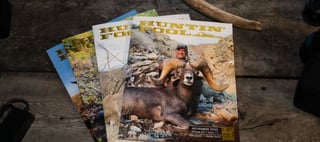
Huntin' Fool Magazine

The Most Comprehensive Printed Research Tool Shipped to Your Door Every Month!

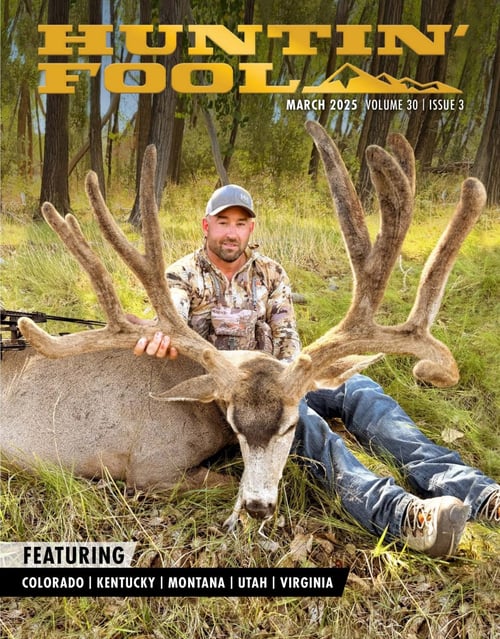
Our members experience improved hunting opportunities as a direct result of the Huntin' Fool magazine. We are the only publication that breaks more than 20 states' hunting regulations and draw systems into bite-sized chunks for our members.

  • State Application Strategies
  • Comprehensive Hunt Research
  • Proprietary Unit Reviews
  • Advisor & Member Stories
  • Gear Insights & Product Reviews
built-to-hunt-logo-transparent

Podcasts

Podcasts with our Advisors on New Hampshire Application and Hunting Strategy

EP 234: Colorado Draw Changes Coming Soon!
  40 min
EP 234: Colorado Draw Changes Coming Soon!
Built To Hunt
Play
EP 110: Alaska's Caribou Hunt & Potential Closure of Federal Lands
  30 min
EP 110: Alaska's Caribou Hunt & Potential Closure of Federal Lands
Demo test
Play
built-to-hunt-logo-transparent

Podcasts with our Advisors on Hunting and Application Strategy

Podcast Episodes

Fees | New Hampshire

New Hampshire requires you to pay the non-refundable application fee of $25 at the time of application. You may pay online using Visa, MasterCard, or Discover. For paper applications, you must send a check payable to N.H. Fish and Game Dept., Moose Application. If you are drawn for a permit, a payment of $500 must be received at the New Hampshire Fish and Game headquarters no later than July 31, 2025 or postmarked no later than midnight on July 18, 2025. Failure to submit payment by the deadline will result in disqualification of the applicant and the permit will be offered to an alternate candidate. If you choose to decline your permit, you will not lose any accrued bonus points and you will be able to apply again the next year with no waiting period.

New Hampshire Moose Season Dates

MOOSE SEASONS NEW HAMPSHIRE
MOOSE – ALL WEAPONS / SEASONS October 18 – 26, 2025

Huntin' Fool Articles

Advisor Articles from Our Magazine on Gear Reviews and Hunting Strategy

Hunter Requirements | New Hampshire Moose Hunting

  • Successful completion of a hunter education course is required for New Hampshire hunters ages 16 and older who have not previously held a hunting license.
  • Youth hunters must be at least 16 years old at the time of the application deadline to apply for moose.
  • Each hunter who is successful in drawing a moose tag may select a subpermittee of any age to join them on the moose hunt.
  • The subpermittee is a person who can hunt with the permittee, and either the permittee or the subpermittee can kill the moose.
  • Only one moose can be killed per permit, so the permittee and subpermittee must be physically in the presence of each other so they don’t both kill a moose.
  • A moose permit winner is allowed to change their subpermittee until eight days prior to the start of the moose season. No permittee shall sell or barter the subpermittee portion of their permit.  
  • While there is no legal requirement, the New Hampshire Fish and Game Department recommends that any person hunting with a firearm or bow should wear a hat, a vest, or another article of clothing that is hunter orange. It should be visible from a minimum of 200 feet from all sides.

Hunting Age Restrictions | New Hampshire

Applicants must be 16 years of age by the application deadline.

Point Structure | New Hampshire Moose Hunting

Starting in 2004, New Hampshire instituted a bonus point system. Unsuccessful applicants accrue one point for each consecutive year they apply for the lottery. Each point translates to a chance in the drawing: the first year you apply, you have one chance in the lottery; in the second year, you have two chances; etc. Applicants lose all accrued points if they do not apply for the lottery for one year or if they accept a moose permit. Applicants are required to provide either their driver’s license number or state ID as their bonus points are tracked by that number. If your driver’s license or state ID card numbers have changed since you last applied, you are required to contact New Hampshire or your points will be lost. You may apply for points only for $25 online or with a paper application.

Draw Odds | New Hampshire

For each year you are unsuccessful or purchase a point only, you build bonus points. The number of bonus points you have equates to the number of chances you have in the lottery. Max points for 2024 is 22. Non-resident draw odds in 2024 were 1 in 498, and resident draw odds were 1 in 116.

Youth Hunting Information | New Hampshire Moose Hunting

New Hampshire does not have any special youth moose tags.

Weapon Restrictions | New Hampshire

New Hampshire recommends that moose be taken by any centerfire rifle larger than .22 caliber, a bow that has at least 50 pounds draw weight, or a .45 caliber or larger muzzleloading rifle. Hunters who purchase a regular hunting license may hunt with a bow or rifle. If you plan on only using archery equipment to hunt, you only need to purchase the archery hunting license. When bowhunting moose, all arrows must have the hunter’s name and address printed on them. Fixed blade broadheads must be larger than 7/8 of an inch but no larger than 1/12 of an inch. Mechanical broadheads must be larger than 7/8 of an inch when expanded. There is no upper size limit on a mechanical broadhead.

Other Tag Opportunities | New Hampshire Moose Hunting

The Wildlife Heritage Foundation of New Hampshire will auction off moose hunting permits to applicants who submit the highest bids through a sealed written bid process. In 2021, there was only one permit issued and it brought in over $30,000. The Wildlife Foundation can receive up to five permits, but due to the low moose population in New Hampshire, they only received one permit the last five years.

The 2024 moose permit auction package will not be available until early June. Bid forms and instructions will be available on the Foundation’s website at https://nhwildlifeheritage.org/. Typically, bids must be received by early August and will be opened towards the middle of August. Bid information may also be requested by contacting the Foundation at admin@nhwildlifeheritage.org or by calling 603-496-2778.

New Hampshire does not offer landowner tags.

Guided Hunts - Featured New Hampshire Hunting

Alaska Peninsula Coast
HFA002-5

Alaska Peninsula Coast

Species: Brown Bear
Cost: $ 29,500.00
Location: Alaska, United States
New Mexico Unit 36
HFA091-1

New Mexico Unit 36

Species: Rocky Mountain Elk
Cost: $ 8,000.00
Location: New Mexico, United States
All-Inclusive Guided Stone
HFA396-3

All-Inclusive Guided Stone

Species: Stone Sheep
Cost: $ 89,250.00
Location: British Columbia, Canada
Trophy Canadian Moose
HFA038-5

Trophy Canadian Moose

Species: Canadian Moose
Cost: $ 9,800.00
Location: British Columbia, Canada
Wyoming Antelope Hunt
HFA127-2

Wyoming Antelope Hunt

Species: Pronghorn Antelope
Cost: $ 4,500.00
Location: Wyoming, United States
Montana Mountain Lion
HFA245-8

Montana Mountain Lion

Species: Mountain Lion
Cost: $ 6,800.00
Location: Montana, United States
Idaho Trophy Mule Deer
HFA392-4

Idaho Trophy Mule Deer

Species: Mule Deer
Cost: $ 5,900.00
Location: Idaho, United States

Refunds / Returns / Transfers | New Hampshire

If you are successful in drawing a moose permit but do not want to go, you may refuse the permit. If you choose to refuse a permit, you will not lose any accrued bonus points and you will be able to apply the next year.

Harvest Reporting | New Hampshire Moose Hunting

The permittee shall tag the moose immediately upon harvest and shall remain with the moose during transportation to the check station. If the moose was shot by the subpermittee, then both the permittee and subpermittee shall go to the check station. A list of check stations can be found on New Hampshire’s website.

GearFool Logo long white

TESTED & PROVEN

Access | New Hampshire

Aside from the White Mountain National Forest, most of the land in the moose hunting zones is private. New Hampshire is an open hunt state, and private lands may be accessed by foot if nothing is posted. Timber companies have traditionally allowed hunting on their large tracts of land. New Hampshire also offers Wildlife Management Areas. For more information on access, go to www.wildlife.state.nh.us/maps/wma.html. ATVs are prohibited on the White Mountain National Forest lands.

www.huntinfool.comcontentimglogo-3

BECOME A MEMBER Prep Like a Pro. Hunt Like a Fool.

CONSULTATIONS

RESEARCH TOOLS

COMMUNITY INTEL

APPLICATION SERVICE

hf-red-logo

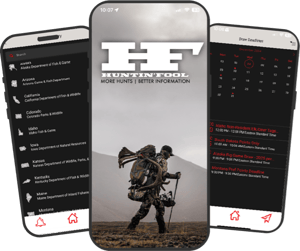
Download the Huntin' Fool App & Never Miss a Deadline!

Huntin’ Fool offers a wide variety of services and resources within the hunting space, and the Huntin’ Fool App offers access to them all. Utilizing this app, you will be able to apply for hunts, plan hunts, buy hunts, and win hunts. This app is simple to use and puts the tools you need to go on great hunts right at your fingertips.

New Hampshire Hunting FAQs

Is trophy hunting legal in Colorado?

Trophy hunting, defined as killing a big game animal solely to take its antlers, hide, or other trophy parts while leaving the carcass behind, is illegal in Colorado. State law considers this a felony offense, and hunters are required to properly tag, utilize, and report their harvests. For certain species like bears, mountain lions, and bobcats, mandatory inspection and sealing of specific parts is also required. While legally licensed hunters can pursue animals for their trophy value, they must comply with all regulations that ensure the full use of the animal and prevent waste.

How old to hunt in Colorado?

In Colorado, the general minimum age to hunt big game and mountain lion is 12, though youth can apply for a license at age 11 if they turn 12 before the season ends. Youth ages 12–15 must be accompanied by a qualified mentor while hunting big game, and those under 16 must also be accompanied when hunting mountain lion, turkey (with a youth license), or small game with a youth license. There is no minimum age to hunt turkey as long as hunter education requirements are met. Youth hunters under 18 may purchase reduced-cost licenses, and those meeting education requirements can also choose to buy an adult small-game license, which allows them to hunt without a mentor. All hunters born on or after January 1, 1949, must have a hunter education card.

When does my membership expire?

Be careful using accordions. They are known to shorten pages, yet they come at a higher interaction cost. Accordions are great for FAQs. Here is a UX checklist:

  • Make sure the icon is clearly communicating there is more content
  • Don't put too much content in the accordion. If there is too much, then the content might deserve it's own page.
How to get a hunting license in Colorado?
To get a hunting license in Colorado, you must first complete hunter education if you were born on or after January 1, 1949, unless eligible for an exemption or apprentice certificate. For big game, you’ll need a qualifying license to apply for draw hunts (e.g., annual small game or turkey license). You can apply for limited licenses through the primary (March 1–April 1) or secondary draw (June 19–30), or purchase over-the-counter (OTC) licenses starting August 5. Youth, disabled, and special programs also offer outreach licenses. A Habitat Stamp is required for most hunters aged 18–64. Licenses can be purchased online, by phone, or at CPW offices and authorized sales agents. Residents must prove at least six months of continuous Colorado residency. Be sure to have your ID, proof of hunter education, and payment ready when purchasing. For the most current details, visit [cpw.state.co.us](https://cpw.state.co.us).
How much is a hunting license in Colorado?
The cost of a hunting license in Colorado depends on residency, species, and age. For big game, resident licenses range from $49.15 for deer or pronghorn to $375.97 for moose, while nonresident combo licenses range from $294.75 for bear to $2,758.49 for moose. Mountain lion licenses cost $60.05 for residents and $501.75 for nonresidents. Small game licenses cost $35.76 for residents and $98.92 for nonresidents, with youth licenses as low as $1.46. Turkey licenses range from $30.44 to $188.86 depending on residency and age. A Habitat Stamp ($12.15–$12.47) is required for most hunters ages 18–64, and application processing fees ($8–$11) apply for draw hunts. Most license fees also include a search-and-rescue and wildlife education fund fee. For the most accurate pricing, consult the Colorado Parks and Wildlife website.
How much is a non-resident big game hunting license in Colorado?
The cost of a non-resident big game hunting license in Colorado varies by species and is typically sold as a combo license that includes fishing privileges. For 2024, non-resident adult combo licenses cost $494.47 for deer or pronghorn, $797.74 for elk, $294.75 for bear, and $2,758.49 for moose. Youth non-resident combo licenses (ages 12–17) are lower, such as $126.18 for deer or pronghorn and $200.92 for elk. A Habitat Stamp is also required for non-residents ages 18–64, costing $12.15 in 2024 and $12.47 in 2025. These prices include mandatory fees like the Wildlife Education Fund and search-and-rescue fee.
What is Colorado Plains Rifle Season?
The Colorado Plains Rifle Season refers to a set of rifle hunting seasons for various big game species that take place in the plains units, primarily east of I-25. These seasons vary by species and license type. For deer, the Plains Rifle Season runs from October 25 to November 4. For bear, an over-the-counter Plains Rifle Season runs from September 2 to November 23. Elk hunters have access to over-the-counter either-sex elk licenses valid from September 1 to January 31 in certain plains units, with a separate antlered elk rifle season in Unit 128 from October 15 to November 23. These hunts may be either limited or over-the-counter depending on the unit and species. Landowner permission is often required, as most land in the plains is privately owned.
What big game can you hunt in Colorado?
In Colorado, you can hunt a wide range of big game species, including deer (both mule deer and white-tailed deer), elk, pronghorn, moose, black bear, mountain lion, Rocky Mountain bighorn sheep, and mountain goat. While the primary regulations focus on deer, elk, pronghorn, moose, and bear, separate rules and licensing options exist for mountain lion, bighorn sheep, and mountain goat. These species are all recognized as big game in Colorado and are managed through a combination of limited license draws, over-the-counter options, and special permits.
Can I hunt on my own land in Colorado?

Yes, you can hunt on your own land in Colorado, but you must still follow all applicable hunting laws. This includes having a valid hunting license for the species you're pursuing, completing hunter education if you were born on or after January 1, 1949, and purchasing a Habitat Stamp if you're between ages 18–64. Season dates, bag limits, legal hunting methods, and game management unit regulations still apply on private land. While being the landowner satisfies the permission requirement for private-land-only licenses, you must ensure your land is eligible and within the appropriate hunt unit. Hunting near public roads or highways may also be restricted.

Can you hunt BLM land in Colorado?

Yes, you can hunt on BLM (Bureau of Land Management) land in Colorado, as it is generally open to public hunting. However, you must have a valid Colorado hunting license and follow all state hunting regulations, including season dates, species rules, and legal methods of take. While BLM land is open to hunting, off-trail game retrieval with motorized vehicles is usually prohibited, and specific rules or access restrictions may apply in certain areas. Hunters are advised to contact the local BLM office for up-to-date maps, regulations, and any closures before heading out.

Can you hunt in the national forest in Colorado?

Yes, you can hunt in National Forests in Colorado. These public lands are generally open to hunting, but you must follow all state hunting regulations, including licensing, season dates, and legal methods of take. Some areas within National Forests may have temporary closures, access restrictions, or special rules, so it’s important to contact the local Forest Service office before your hunt to get up-to-date maps and information. Always confirm the regulations for the specific Game Management Unit (GMU) where you plan to hunt, as many GMUs include portions of National Forest land.

Can you hunt with a suppressor in Colorado?

Yes, you can hunt with a suppressor (silencer) in Colorado. Suppressors are legal to own and use for hunting, target shooting, and personal defense. As long as you legally possess a suppressor in compliance with federal regulations, you are allowed to use it while hunting in Colorado, including for big game species like elk and mule deer. Suppressors help reduce noise and recoil, and are increasingly popular among hunters for safety and comfort.

Can you hunt with a crossbow in Colorado?

Yes, you can hunt with a crossbow in Colorado, but only under certain conditions. Crossbows are legal for hunting big game and mountain lion **during rifle or associated methods seasons**, not during archery-only seasons. To be legal, a crossbow must have a minimum 125-pound draw weight, a 14-inch draw length, a working safety, and use bolts at least 16 inches long with broadheads that are at least 7/8 inch wide and have two steel cutting edges in the same plane. Crossbows also appear to be allowed for small game, though they cannot be used for archery season big game hunts. The legality of crossbows for turkey hunting is unclear in the available sources, so it’s best to check directly with Colorado Parks and Wildlife for confirmation.

Can a non-hunter accompany a hunter in Colorado?

Yes, a non-hunter can accompany a hunter in Colorado under certain conditions. For youth hunters and those using apprentice certificates, a mentor must be present, but the mentor does not have to hunt. Hunters with disabilities may also be accompanied by one or more non-hunters for assistance. In general, non-hunters are allowed to accompany licensed hunters as long as they do not participate in hunting activities and all regulations are followed. However, in areas like State Wildlife Areas (SWAs), non-hunters age 16 or older may need a valid hunting/fishing license or a SWA pass to be present. Always check specific property rules with Colorado Parks and Wildlife before heading out.

Can you carry a pistol while bow hunting in Colorado?

Yes, you can carry a pistol while bow hunting in Colorado, but it must be for self-defense only—not for hunting or finishing wounded game. Using a firearm to dispatch an animal shot with a bow is illegal. Open carry is legal, and concealed carry is allowed with a valid Colorado permit (note that not all out-of-state permits are recognized). Handguns are exempt from some transport restrictions, but rifles and bows must be unloaded and cased when transported on off-highway vehicles. Discharging any weapon from or across a public road or within 50 feet of its centerline is prohibited. Always review current Colorado Parks and Wildlife regulations before your hunt.

Can you hunt on Sunday in Colorado?

Yes, you can hunt on Sundays in Colorado. There is no statewide prohibition against Sunday hunting in the regulations. As long as you're hunting during legal hours, within the designated season, and following all other rules for the species and Game Management Unit (GMU), Sunday hunting is allowed. However, some specific properties—like certain State Wildlife Areas—may have their own access or day-use restrictions, so it's important to check the regulations for the exact area where you plan to hunt. Always consult Colorado Parks and Wildlife for the most up-to-date information.

Can you hunt wilderness areas in Colorado?

Yes, you can hunt in wilderness areas in Colorado, but you must follow specific regulations. Wilderness areas like Flat Tops, Maroon Bells–Snowmass, Mount Evans, Buffalo Peaks, and Weminuche are open to hunting, and some offer “wilderness-only” hunt options with limited licenses. These areas often restrict motorized access and may require special permits, such as camping reservations in popular zones like Maroon Bells–Snowmass. While standard hunting rules apply, additional U.S. Forest Service regulations—like equipment limits and group size—may also affect your hunt. Always check Colorado Parks and Wildlife regulations and contact the managing agency before hunting in a designated wilderness area.

Can you use walkie-talkies while hunting in Colorado?

Yes, you can use walkie-talkies while hunting in Colorado, but only for general communication. It is **illegal** to use radios, walkie-talkies, cell phones, or other electronic devices to relay the location of wildlife to aid in hunting or to coordinate a shot. For example, telling a partner where an animal is or advising them to shoot is prohibited. However, using walkie-talkies to stay in touch for safety, planning, or non-wildlife-related coordination is allowed. Always follow Colorado Parks and Wildlife regulations regarding electronic communication while hunting.

What are the dates for big game hunting in Colorado?

The general big game hunting season dates in Colorado for 2025 vary by species, method of take (archery, muzzleloader, or rifle), and Game Management Unit (GMU). The Colorado Parks and Wildlife regulations provide a framework of statewide dates, but actual hunt periods may differ depending on hunt codes and unit-specific regulations. Most archery seasons start in early September, muzzleloader seasons typically run mid-September, and rifle seasons are staggered through October and November, with some late hunts extending into December or even January. Plains rifle seasons and over-the-counter options also provide extended opportunities in designated units. Hunters must consult the CPW’s website for exact season dates for their chosen species, unit, and license type.

MOOSE SEASONS NEW HAMPSHIRE
MOOSE – ALL WEAPONS / SEASONS October 18 – 26, 2025

New Hampshire Moose Hunting FAQs

When is hunting season in New Hampshire​?

In New Hampshire, the 2024–2025 big game hunting seasons are as follows: Deer hunting begins with archery from September 15 to mid-December (dates vary by WMU), followed by muzzleloader season starting November 2, and the regular firearm season beginning November 13, with varying end dates and “any deer” allowances depending on the WMU. A youth deer hunt takes place statewide on October 26–27. Moose season runs October 19–27, limited to lottery permit holders. Bear hunting includes general, baiting, and dog seasons starting September 1, with end dates ranging from late September to November 30, depending on method and WMU. Wild turkey may be hunted in both fall and spring, with archery from September 15 to mid-December, fall shotgun season October 14–20, and spring turkey season May 1–31, plus a youth weekend April 26–27.

When is deer hunting season in New Hampshire​?

Deer hunting season in New Hampshire for 2024 varies by method and Wildlife Management Unit (WMU). Archery season runs from September 15 to December 8 in WMU A and September 15 to December 15 in WMUs B–M. Muzzleloader season starts November 2 in most units and ends November 12, with limited “any deer” days depending on the unit. Firearm season begins November 13, ending between December 1 and December 8, depending on the WMU, and also includes select “any deer” days. A youth weekend hunt is held statewide on October 26–27, allowing youth hunters to harvest any deer. Tags and special permits apply, and all deer must be registered within 24 hours.

Can you hunt on Sunday in New Hampshire​?

Yes, Sunday hunting is allowed in New Hampshire. The New Hampshire Fish and Game Department highlights "Sunday hunting" as one of the diverse opportunities available in the state.

Can you hunt moose in New Hampshire​?

Yes, you can hunt moose in New Hampshire, but it is highly regulated and available only by permit through a limited lottery system. The 2024 moose hunting season runs from October 19 to October 27, and only 35 permits are issued annually through a computer-generated lottery held by the N.H. Fish and Game Department. An additional permit is auctioned each year to benefit wildlife conservation. Successful applicants may hunt with a partner and may use firearms, archery, or muzzleloaders. Due to careful population management, moose hunting opportunities are limited, and success rates are typically high, especially in northern regions of the state.

How much is a New Hampshire hunting license?

A New Hampshire resident hunting license costs $32.00 and includes one deer tag and small game privileges. A nonresident hunting license costs $113.00. Additional licenses—like archery ($32 resident / $83 nonresident), muzzleloader ($16 / $41), turkey ($16 / $31), and bear ($16 / $48)—can be purchased separately. Youth under 16 don't need a regular license but do need species-specific permits. Seniors aged 68+ pay reduced fees, and those born in 1947 or earlier can receive free lifetime licenses. All licenses include a $2.50 habitat fee, a $1 agent fee, and an additional transaction fee if purchased online or in person.

What big game can you hunt in New Hampshire​?

In New Hampshire, the primary big game species available for hunting are white-tailed deer, black bear, wild turkey, and moose. Deer hunting includes archery, muzzleloader, and firearms seasons, with special antlerless permits available in select Wildlife Management Units. Black bear hunting offers general (stalking), baiting, and dog seasons, with opportunities for a second bear in specific WMUs. Wild turkeys are widely distributed and can be hunted during both spring and fall seasons, including a youth-only weekend. Moose hunting is conducted by lottery, with a limited number of permits issued annually for a season typically held in October.

Still Have Questions?

At Huntin' Fool, we are always looking for ways to improve our service and help out members to the very best of our abilities. We believe communication is what makes our Huntin' Fool community great!

CONSULTATIONS
RESEARCH TOOLS
COMMUNITY INTEL
APPLICATION SERVICE