On the Rebound
| UP-FRONT FEES | |
| Annual Hunting License and Access Fee (Adult) + Processing Fee | $195.00 |
| Annual Hunting License and Access Fee (Youth) | $95.75 |
| Trophy Species Application Fee (Adult or Youth) | $45.75 |
| Bighorn Sheep, Moose, or Mtn Goat Tag (Adult or Youth) | $2,626.75 |
| Online & Phone Application Processing Fee (Adult) | $90.03 |
| Online & Phone Application Processing Fee (Youth) | $87.05 |
| Elk, Deer, Antelope Application Fee (Adult or Youth) + Processing Fee | $22.15 |
| POST DRAW FEES (IF SUCCESSFUL) | |
| Elk Tag | $651.75 |
| Deer Tag | $351.75 |
| Antelope Tag | $342.75 |
| Black Bear Tag | $231.75 |
| Wolf Tag | $31.75 |
| Junior Mentored Elk (10-17 years old) | $299.75 |
| Junior Mentored Deer (10-17 years old) | $176.75 |
| Junior Mentored Black Bear (10-17 years old) | $116.75 |
| Archery Permit | $81.75 |
| Muzzleloader Permit | $81.75 |
| All transactions that take place on the phone or online are subject to a processing fee. The only way to avoid processing fees is to apply at a regional F&G office with a debit card, personal check, or with cash. Credit cards used at regional offices incur a 3% processing fee. *Tag fees listed do not include online/phone application processing fees. |
|
| UP-FRONT FEES | |
|---|---|
| Annual Hunting License and Access Fee (Adult) | $15.75 |
| Annual Hunting License and Access Fee (Youth) | $8.25 |
| Trophy Species Application Fee (Adult or Youth) | $16.75 |
| Bighorn Sheep, Moose, or Mtn Goat Tag (Adult or Youth) | $199.75 |
| Elk, Deer, Antelope Application Fee (Adult or Youth) | $6.25 |
| POST DRAW FEES (IF SUCCESSFUL) | |
| Elk Tag | $36.75 |
| Deer Tag | $24.75 |
| Antelope Tag | $36.50 |
| Black Bear Tag | $13.75 |
| Wolf Tag | $13.75 |
| Junior Mentored Elk (10-17 years old) | $18.75 |
| Junior Mentored Deer (10-17 years old) | $12.50 |
| Junior Mentored Black Bear (10-17 years old) | $7.75 |
| All transactions that take place on the phone or online are subject to a processing fee. The only way to avoid processing fees is to apply at a regional F&G office with a debit card, personal check, or with cash. Credit cards used at regional offices incur a 3% processing fee. *Tag fees listed do not include online/phone application processing fees. |
|
| IDAHO ELK SEASON DATES | |
| Archery (General / Controlled) | Late Aug – late Sep 2025 (permit- and unit-specific) |
| Rifle (General / Controlled) | Oct – Nov 2025 (permit- and unit-specific) |
| Muzzleloader (General / Controlled) | Oct – Dec 2025 (permit- and unit-specific) |
| IDAHO DEER SEASON DATES | |
| Archery (General / Controlled) | Late Aug – Sep 2025 (permit- and unit-specific) |
| Rifle (General / Controlled) (Mule & Whitetail) | Oct – Nov 2025 (permit- and unit-specific) |
| Muzzleloader (General / Controlled) | Nov – Dec 2025 (permit- and unit-specific) |
| IDAHO ANTELOPE (PRONGHORN) SEASON DATES | |
| Archery (Controlled Hunts) | Mid-Aug – mid-Sep 2025 (permit- and unit-specific) |
| Rifle (Controlled Hunts) | Sep 25 – Oct 24 (permit- and unit-specific) |
| IDAHO BLACK BEAR SEASON DATES | |
| Spring (Most Units) | Apr – Jun 2025 (bait/hound rules vary by unit) |
| Fall (Most Units) | Aug – Nov/Dec 2025 (unit-specific) |
| IDAHO MOUNTAIN LION SEASON DATES | |
| General (Most Units) | Aug 30, 2025 – Mar 31, 2026 (unit-specific rules/limits) |
| IDAHO WOLF SEASON DATES | |
| General (Most Units) | Year-round or long seasons (unit-specific rules/limits) |
| IDAHO MOUNTAIN GOAT SEASON DATES | |
| Any Legal Weapon | Aug 30 – Nov 12, 2025 |
| IDAHO MOOSE SEASON DATES | |
| Any Legal Weapon | Sep – Nov 2025 (unit- & weapon-specific) |
| IDAHO BIGHORN SHEEP SEASON DATES | |
| Rocky Mountain Bighorn Any Legal Weapon | Sep – Oct 2025 (permit- and unit-specific) |
| California Bighorn Any Legal Weapon | Sep – Oct 2025 (permit- and unit-specific) |
Disclaimer: Idaho seasons vary by unit/zone, weapon, and tag type; some hunts are controlled with limited windows, quotas, or harvest closures. Always verify exact dates and regulations with Idaho Fish & Game before planning a hunt: https://idfg.idaho.gov/hunt/seasons
| YEAR | MOOSE, SHEEP & GOAT | DEER, ELK & ANTELOPE | SPRING BEAR | SECONDARY DRAW |
|---|---|---|---|---|
| 2025 | May 6, 11:54 a.m. (MDT) | June 12, 12:00 p.m. (MDT) | February 27 | August 21 |
| 2024 | May 8, 1:35 p.m. (MDT) | June 25, 10:27 a.m. (MDT) | February 28 | August 22 |
| 2023 | May 19, 1:45 p.m. (MDT) | June 29, 2:00 p.m. (MDT) | March 3 | August 23 |
| 2022 | May 19, 11:40 a.m. (MDT) | June 28, 8:40 p.m. (MDT) | March 4 | |
| 2021 | May 13, 10:50 a.m. (MDT) | July 1, 10:00 a.m. (MDT) | February 19 | |
| 2020 | May 15, 11:10 a.m. (MDT) | June 19, 2:30 p.m. (MDT) | February 21 | |
| 2019 | May 17 | June 25 | ||
| 2018 | June 8 | July 8 |
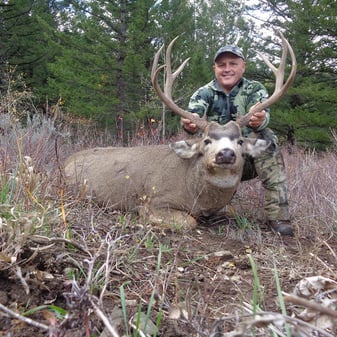
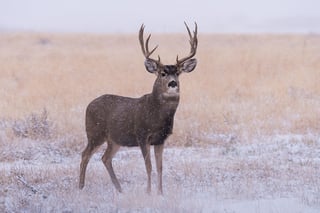
Idaho’s mule deer hunting has seen better days, but it looks like they have turned the corner and the populations are improving in most of the state. 2024 saw some really good bucks harvested throughout the state. With last winter being very mild and the very high fawn survival rates, things are looking good. Hopefully we can keep that trend going, and with a few more easy winters, Idaho will once again be producing the quality of deer they did before the winter of 2022/2023.
Mule deer harvest was 23,898 in 2024, which is up 23% from the previous year and almost equal to the 2022 harvest. It was also the eighth consecutive year in a row that harvest levels were below the 10-year average. Harvest success on the general hunts was 28% and on the controlled hunts was 53% in 2024. In 2016, there were 37,000 mule deer harvested, and in 2024, there were only 23,898 harvested. This is a great representation of where the population is. With the mild winter and the high fawn survival, the mule deer outlook is looking positive. Hopefully we can see a population as robust as we did in 2016 in the upcoming years.
Idaho has the genetics to produce big mule deer, but the state is managed more for hunter opportunity than it is top end potential. If you are looking for an opportunity to take a 180” or better buck, you will want to focus on the controlled hunts in the central and western areas of the state. Units 21, 28, 36B, 40, 44, 45, and 52 turn out a few great bucks every year. The whitetail units are typically the best hunts in the state, almost every unit that has a late rifle hunt in November will produce 180”+ class bucks, but you will have to put some time in to turn one up.
| UNIT | COMMENTS |
|---|---|
| 21-1 | Central portion of the state. Valid in units 21, 21A, 28, 29, 30, 30A, 36, 36A, 36B, 37A. Archery velvet hunt across ten units—great for scouting and hunting unpressured summer bucks. Country varies widely; abundant public land with good access. |
| 22 | Weiser River — Westcentral portion of the state. Mostly 150–160"+ bucks, with a couple 180"+ taken annually. Outstanding genetics; quality improving. Mix of thick timber and open basins to low river breaks. Plenty of public land, good roads, and some roadless country. |
| 39-2 | Boise River — Southwestern portion of the state. Special boundary regs apply (check regs). 140–170"+ potential. Bucks rut early for fun hunting; big snows push deer low. Rolling open grassy hills with some steeper spots. Public land ample; private land can limit access. |
| 40 | Upper Owyhee — Southwestern portion of the state. Mostly 150–170" bucks but 180"+ potential. Trophy quality has slipped; hunters struggle but great bucks exist. Some private-land issues; public land plenty. Bucks scattered in summer patterns—scouting key. |
| 41-1 | Lower Owyhee — Southwestern portion of the state. Valid in units 41 & 42. Mostly 140–160" bucks; giant potential. Extremely low densities; big desert country. Water sources crucial. Public land abundant; private-land access can frustrate. |
| 43-1 | Smoky/Bennett — Southwestern portion of the state. Valid in units 43 & 48. 140–160"+ bucks, with occasional bigger bucks. Population & trophy quality recovering. Two-week jump on archery pressure (starts Aug 30). Big country with trails; mostly backpack/horse access; some motorcycle routes. |
| 44 | Smoky/Bennett — Southwestern portion of the state. Top archery hunt. 160–180"+ bucks, giant potential. Rolling sage/grass to steeper timbered upper reaches. Abundant public land, good roads/ATV access; private-land along bottoms. |
| 45 | Smoky/Bennett — Southwestern portion of the state. Prime archery hunt. 160–180" bucks, giant potential. Resident deer only. Public land plentiful, great roads. Mild terrain—rolling sage, grass, lava rock. Some ag lands hold deer. |
| 52 | Smoky/Bennett — Southcentral portion of the state. 150–170" bucks, giant potential. Very low densities. Rolling sage/grass and lava country. Plenty of public land, good roads; some ag parcels hold deer. |
| 72-1 | Bannock — Southeastern portion of the state. Valid in unit 72 & western unit 76. First-choice required to draw. 130–160" bucks, big-buck potential. Deer numbers low but good rut hunt; winter weather vital. Public land & roads good; mahogany pockets and rolling sage/timber spots. |
| UNIT | COMMENTS |
|---|---|
| 21A | Salmon — Central portion of the state. 150–170"+ bucks with better potential. Occasional Montana bulls during the rut. Extensive public land with good roads. Some steep country along the MT border; mix of thick timber and glassable openings. |
| 22 | Weiser River — Westcentral portion of the state. Mostly 150–160"+ bucks, with regular 180"+ bulls. Outstanding genetics and improving quality. Terrain from river breaks to thick timber to classic high country. Ample public land, good roads, plus some roadless areas. |
| 30A | Beaverhead — Central portion of the state. 140–160"+ bucks with better potential. Low deer densities—don’t apply if you need to see many deer. Abundant public land, good road system. Open glassable country with timbered pockets. |
| 33-1 | Sawtooth — Eastcentral portion. Valid in units 33, 35, and 34 south/west of Landmark–Stanley Road. 140–160"+ rut hunt potential. Vast steep, rugged country. Spend many days covering ground; heavy tag numbers can frustrate, but roadless areas offer solitude. |
| 45 | Smoky/Bennett — Southwestern portion of the state. Top muzzleloader hunt. 160–180" bucks, giant potential. Migrating deer arrive during hunt. Abundant public land, excellent roads. Mild terrain—rolling sage, grass, lava rock; some ag lands hold deer. |
| 51-1 | Little Lost — Central portion. Valid in unit 51 and part of 50 east of Hwy 93. 140–160"+ rut potential. Large public-land unit with good roads. Valley bottoms private, but county roads get you to public wintering areas. |
| 52 | Smoky/Bennett — Southcentral portion. Prime muzzleloader hunt. 160–180"+ bucks, giant potential. Very low densities, but surrounding deer move in. Rolling sage/grass and lava country; lots of public land and good roads; some ag parcels hold deer. |
| 52A | Big Desert — Central portion. Includes Craters of the Moon Monument closure areas. 140–160" bucks with upside. Low densities, but migration from adjacent units. Sage and lava desert; abundant public land, decent roads. General rifle hunt Oct 10–31 brings heavy pressure late October. |
| 57 | South Hills — Southcentral portion of the state. 150–170"+ bucks. Deer concentrate in lower rolling country. Mix of public and private land with good access. No general rifle season here—muzzleloader falls between rifle seasons. Fun rut hunt. |
| 68 | Big Desert — Central portion of the state. 140–160"+ bucks with upside on the rut. Large public-land unit with good roads; low densities. Sage and lava desert terrain with ag land on eastern edge. General rifle hunt Oct 10–24. |
| 70 | Bannock — Southeastern portion of the state. New for 2025. 150–160"+ bucks with higher potential. Rolling sage/grass foothills with aspen/conifer pockets. Abundant public land and good roads; lower country mostly private. |
| 73A | Bannock — Southeastern portion. 150–160"+ rut potential. Some rough country but deer move closer to winter range. Mixed public/private lower country. General muzzleloader hunt Oct 10–24. |
| 74 | Bannock — Southeastern portion. 150–170"+ potential. Good roads everywhere; mix of public/private land. Winter weather pushes deer. General rifle hunt Oct 10–24. |
| 78 | Bear River — Southeastern portion on Utah border. New for 2025. 140–160" bucks with upside. Rolling sage/aspen foothills to rugged timbered upper country. Backpacking recommended for solitude away from other hunters. |
| UNIT | COMMENTS |
|---|---|
| 1-1 | Panhandle — Northern portion. Valid in units 1,2,3,4,4A,5,6,7,9. Extremely long rifle season across nine varied units, hunts over three months. Best in November rut. Thick timber makes tough glassing; low mule deer densities; plan extensive scouting. |
| 11 | Hells Canyon — Westcentral portion. 160–170"+ bucks, 180" potential. Private-land access issues; good public trailhead roads. Rugged steep river breaks; horses or strong backpacker recommended. Unit improving annually. |
| 18 | Hells Canyon — Westcentral. Big tag increase for 2025. 150–170"+ bucks. Vast public-land unit of steep, rugged terrain. Top access via Granite/Sheep Creek; bottom via jet boat. Requires backpacking strength or horses. |
| 21 | Salmon — Central. 180"+ potential. Physically demanding in steep, rugged Salmon River breaks; much of unit burned years ago. Weather can bring Montana bucks. Good public land, roads, and trails; snow enhances hunt. |
| 22 | Weiser River — Westcentral. 160–180"+ bucks on rut hunt; improving age class and genetics. Terrain from basins to river breaks; mix of thick timber and open country. Ample public land, good roads, plus roadless areas. |
| 23 | McCall — Westcentral. 150–170"+ rut hunt potential. Only limited-draw hunt; general archery and October rifle. Timbered steep areas with burns for glassing. Day-huntable or horseback; lower country mostly private. |
| 28 | Salmon — Central. 160–180"+ rut potential. Huge unit: steep remote timber high, open rocky Salmon River breaks low. Mix of good roads to wilderness terrain. |
| 30 | Beaverhead — Central. 150–170"+ rut potential. Valley bottoms private—access can be tough. Hills mostly public: rolling grass/sage to timbered drainages. Good glassing; snow may push Montana bucks south. |
| 31 | Brownlee — Westcentral. Mostly 140–160"+ bucks, occasional big buck rut hunt. Low deer population; general hunt Oct 10–24. Public land north; private south. Mix of timber and open sage/grass to river breaks. |
| 36A | Pioneer — Central. 180"+ rut potential. Lower rolling sage/mahogany winter habitat to open sage and timbered high basins. Public land with roads and wilderness trails. Winter weather (snow) improves access and deer movement. |
| 36B | Salmon — Central. 180"+ rut potential. Public land with decent roads. Lower open sage/grass for glassing; higher timbered drainages and basins. Steep and rugged; winter weather can yield great bucks. |
| 39 | Boise River — Southwestern. 140–160" bucks, giant velvet potential. Good public land; limited road access to high country—backpack or motorcycle trails required. Hot weather limits deer to dawn/dusk. |
| 40 | Upper Owyhee — Southwestern. 150–160" bucks, 180"+ upside. Trophy quality slipped; great bucks still here. Public land abundant; private-land frustrations. Rut should draw deer into movement across terrain. |
| 42 | Lower Owyhee — Southwestern. 140–160" bucks, giant potential. Low densities and tag cuts. Wide desert country; deer scattered; water sources critical. Public land plenty; private patches frustrate. |
| 44 | Smoky/Bennett — Southwestern. Top rifle hunt. 170–180"+ bucks; some 200"+ taken. Lower rolling sage/grass; upper steep timbered drainages. Private-land low spots. Deer migrate toward unit 45 even with minimal snow. |
| 45 | Smoky/Bennett — Southwestern. Premier rifle hunt. 180"+ bucks, giant potential. Mild rolling sage/grass/lava rock. Abundant public land, excellent roads, pockets off-road. Bucks move in during season; some private ag hold deer. |
| 47-1 | South Hills — Southcentral. Valid in units 46 & 47. 140–170"+ rut potential. Unit 47 small bordering NV—snow drives deer north. Unit 46 vast—cover country to find rut bucks. High desert terrain; good roads; mostly public land with private patches. |
| 48 | Smoky/Bennett — Southwestern. 150–170"+ rut potential. General archery and rifle. Multiple large drainages with public access & trails. Steep rocky terrain to high timbered areas. Weather pushes bucks low. |
| 50-1 | Pioneer — Central. Valid west of Hwy 93. 140–160"+ bucks, bigger potential. Terrain from sage foothills to timber drainages to granite basins. Rut movement; snow pushes deer low. |
| 52 | Smoky/Bennett — Southcentral. 160–180"+ bucks, giant potential. Low densities but migration from north. Rolling sage/grass/lava terrain; public land and roads abundant; ag lands hold deer. |
| 54 | South Hills — Southcentral. 140–170"+ rut potential. Best hunt on this unit. Population down, trophy quality declining. Low densities; open glassable country; public land and roads abundant; occasional Nevada bucks. |
| 55 | South Hills — Southcentral. 150–170"+ bucks, great velvet hunt. Premier velvet rifle hunt; high country to desert flats. Some private issues; public land ample. Heat limits deer to dawn/dusk. |
| 57 | South Hills — Southcentral. 150–170" bucks. Deer in lower rolling country. No general rifle season; hunt follows muzzleloader. Good public/private mix; easy access. |
| 58-1 | Beaverhead — Central. Valid in 58,59,59A. 150–170"+ bucks. Vast public land with roads; open glassable to timber pockets. Montana deer push south late. General archery & October rifle overlap. |
| 60-1 | Island Park — Eastern. Valid in 60,62A & part of 60A. 160–180"+ bucks. Private lowlands but ample public. Rolling sage/grass/lava to timbered mountains. Winter weather enhances hunt. |
| 60-2 | Island Park Either-sex — Big tag increase for 2025. Valid in 60,61,62A. Starts five days before general, ends Nov 8. Deer rut late-season; great opportunity. |
| 62 | Island Park — Eastern. 150–170"+ bucks. Private ag valley floors to public rolling foothills and timber pockets. Winter snow needed to push deer low. |
| 66 | Tex Creek — Southeastern. 150–170"+ potential. Weather-driven quality. Public land, some roads and trails. Rolling aspen/cedar/conifer terrain. |
| 66A | Diamond Creek — Southeastern. 150–170"+ potential. Elk push from Wyoming in weather. Public land, good access; backpack/horse for solitude; tough unit. |
| 67 | Palisades — Southeastern. 150–170"+ rut potential. Public land with roads and trails; steep rugged timbered country. Winter weather pushes deer to lower open areas; strong genetics but slipping numbers. |
| 69 | Tex Creek — Southeastern. 150–170"+ potential. Rolling sage/grass/agriculture. Late-season migration brings bigger bucks. Private and tribal land access issues frustrate. |
| 70 | Bannock — Southeastern. 25 tags cut for new muzzleloader. 150–170"+ potential. Rolling sage/grass foothills with aspen/conifer. Public land abundant; archery Aug 30–Sep 30 offers low pressure. Private lowlands. |
| 73 | Bannock — Southeastern. Unlimited hunt limited to 240 nonresidents. 140–160"+ potential. Vast public land, good access; lower country private. Forest Service & BLM upper. High draw success; tougher than specialty hunts. |
| 78 | Bear River — Southeastern. 25 tags cut for new muzzleloader. 140–160" bucks, upside. Rolling sage/aspen foothills to rugged timbered upper. Backpack recommended for solitude; archery Aug 30–Sep 30 option. |
The Idaho Deer application deadline is June 5, 2025. Successful applicants must purchase their tags by August 1, 2025.
Our magazine, which is available in print and online, has everything in one location - application info, draw details and odds, fees, hunter requirements, point structure, age restrictions, youth information, weapon restrictions, other tag opportunites, hunt planning, and much more. If you would like access to all of our research, join today!
| IDAHO DEER SEASON DATES | 2025–2026 SEASON DATES |
|---|---|
| Archery (General / Controlled) | Late Aug – Sep 2025 (permit- and unit-specific) |
| Rifle (General / Controlled) (Mule & Whitetail) | Oct – Nov 2025 (permit- and unit-specific) |
| Muzzleloader (General / Controlled) | Nov – Dec 2025 (permit- and unit-specific) |
Disclaimer: Dates and legal weapons vary by unit and species (mule deer vs whitetail). Always confirm with IDFG: https://idfg.idaho.gov/hunt/seasons
$199 BILLED ANNUALLY
Unlimited One-On-One hunt consultations and everything you need to prep like a pro and hunt like a fool.
$48 BILLED ANNUALLY
Access our digital research tools, draw more tags, and hunt with better information.
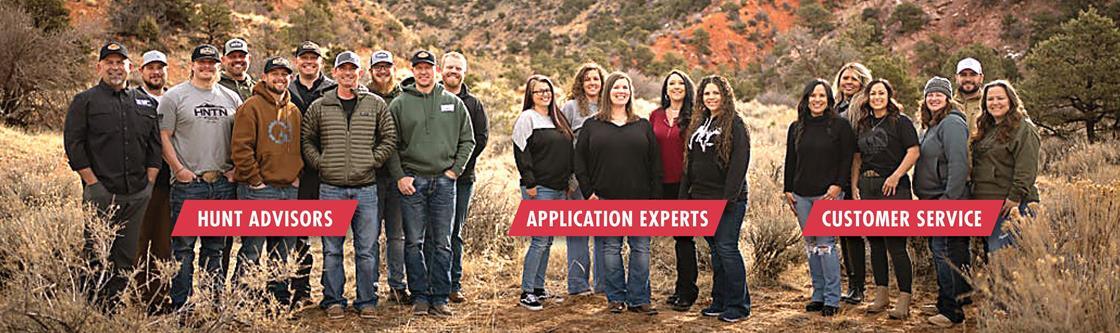
Our members experience improved hunting opportunities as a direct result of the Huntin' Fool magazine. We are the only publication that breaks more than 20 states' hunting regulations and draw systems into bite-sized chunks for our members.
The whitetail harvest was actually up again in 2024. There were 20,908 whitetails harvested in 2024. That is 1,088 deer over the 2023 total harvest. Harvest success on the general hunts was 40% and on the controlled hunts was 46% in 2024. Of the 20,908 whitetails harvested, 16,970 were bucks, and the highest whitetail densities are found in the Panhandle region. Most of the general licenses in the Panhandle close December 1st, allowing hunters the opportunity to hunt during the peak of the rut. As you move south in Idaho, the whitetail densities become much lower, although the quality of bucks is still good. The whitetail hunting on the southern end is better than the mule deer hunting in general at this time.
Idaho is still a good state to hunt deer, and with so much diverse country, you can always find a place that fits your hunting style. Most of the hunts we listed in our hunt tables have less than 10% drawing odds. With Idaho not having a point system, you have as good of odds as anyone. Remember, if you were able to purchase an over-the-counter deer tag for the 2024 season, we recommend you apply for a controlled hunt as it is a great chance to upgrade your hunt. You may even exchange your general tag for a controlled hunt if you are lucky enough to be drawn.
There are some great bucks in Idaho, but hunters must have realistic expectations. Idaho has mostly average bucks, but every hunter has a chance for a great buck in any unit in the state. Take a look at the deer tables, and if you have any questions, give us a call.
Advisor Articles from Our Magazine on Idaho Application and Hunting Strategy
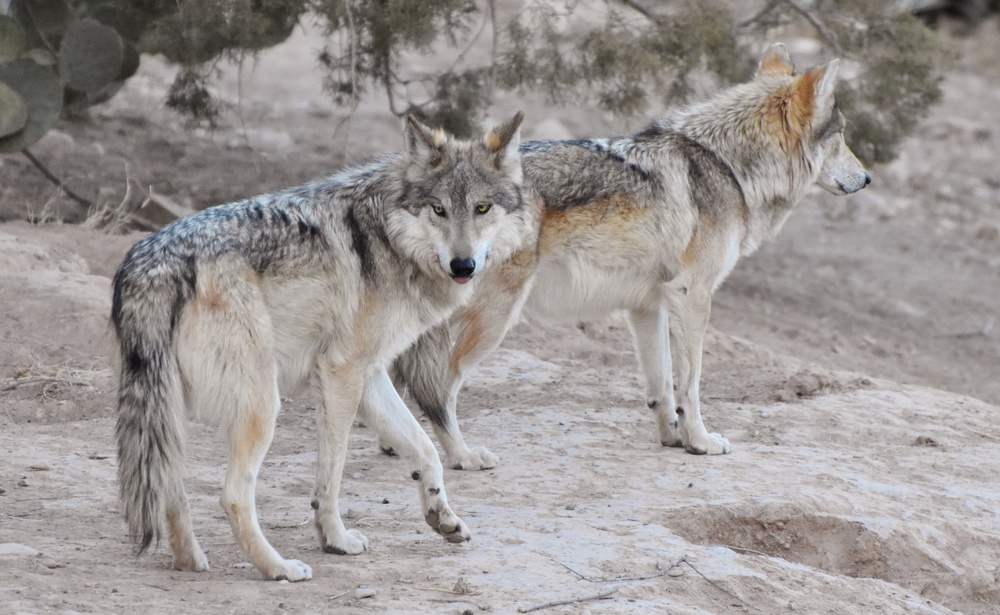
You can buy a wolf permit for $31.75 at any Idaho Fish and Game office or any license vendor throughout the state. Wolf permits bought with a hunting license are valid for the calendar year they were purchased in. Wolf tags bought with a trapping license are valid for the trapping year (July 1-June 30). There is no longer a limit to the amount of wolf permits hunters or trappers may purchase.
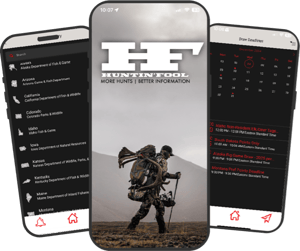
Huntin’ Fool offers a wide variety of services and resources within the hunting space, and the Huntin’ Fool App offers access to them all. Utilizing this app, you will be able to apply for hunts, plan hunts, buy hunts, and win hunts. This app is simple to use and puts the tools you need to go on great hunts right at your fingertips.
At Huntin' Fool, we are always looking for ways to improve our service and help out members to the very best of our abilities. We believe communication is what makes our Huntin' Fool community great!