
Pre-Rut Success
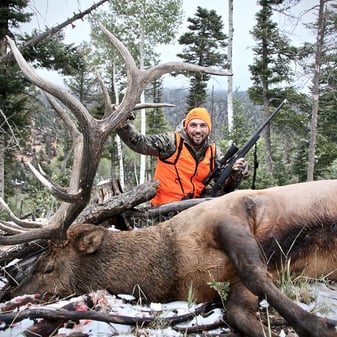
September is my favorite time of year. It is when fall starts in the mountains and bulls start screa...

| UP-FRONT FEES | |
| Annual Small Game Hunt License (Required to Apply) | $101.54 |
| Youth Annual Small Game Hunt License (Under Age 18, Required to Apply) | $1.50 |
| Habitat Stamp (Required to Apply, Adults Only) | $12.47 |
| Draw Application (Per Species) | $11.00 |
| Preference Point Fee (Per Species for Sheep, Moose, and Mtn Goat) | $100.00 |
| Preference Point Fee (Per Species for Deer, Elk, and Antelope) | $0.00 |
| Youth Preference Point Fee (All Species) | $0.00 |
| All non-resident licenses include an annual fishing license valid through March 31 | |
| POST DRAW FEES (IF SUCCESSFUL) | |
| Rocky / Desert Bighorn Sheep | $2,758.49 |
| Shiras Moose | $2,758.49 |
| Mountain Goat | $2,758.49 |
| Elk (Bull, Cow, or Either Sex) | $825.03 |
| Deer | $494.47 |
| Antelope | $494.47 |
| Black Bear | $294.75 |
| Mountain Lion | $825.03 |
| Turkey | $188.86 |
| Youth Big Game (Deer, Elk, and Antelope) | $126.18 |
| Youth Black Bear | $61.51 |
| Youth Turkey | $126.49 |
| UP-FRONT FEES | |
|---|---|
| Annual Small Game Hunt License (Required to Apply) | $36.68 |
| Youth Annual Small Game Hunt License (Under Age 18, Required to Apply) | $1.50 |
| Habitat Stamp (Required to Apply, Adults Only) | $12.47 |
| Draw Application (Per Species) | $8.00 |
| Preference Point Fee (Per Species for Sheep, Moose, and Mtn Goat) | $50.00 |
| Preference Point Fee (Per Species for Deer, Elk, and Antelope) | $0.00 |
| Youth Preference Point Fee (All Species) | $0.00 |
| POST DRAW FEES (IF SUCCESSFUL) | |
| Rocky / Desert Bighorn Sheep | $375.97 |
| Shiras Moose | $375.97 |
| Mountain Goat | $375.97 |
| Elk (Bull, Cow, or Either Sex) | $67.86 |
| Deer | $49.15 |
| Antelope | $49.15 |
| Black Bear | $61.62 |
| Mountain Lion | $61.62 |
| Turkey (Spring) | $36.68 |
| Turkey (Fall) | $30.44 |
| Youth Big Game (Deer, Elk, and Antelope) | $18.90 |
| Youth Black Bear | $18.29 |
| Youth Turkey | $19.21 |
| COLORADO ELK SEASON DATES | |
| Archery | Sept 2 – Sept 30, 2025 |
| Muzzleloader | Sept 13 – Sept 21, 2025 |
| Early Rifle (Limited Units) | Oct 1 – Oct 11, 2025 |
| 1st Rifle | Oct 15 – Oct 19, 2025 |
| 2nd Rifle | Oct 25 – Nov 2, 2025 |
| 3rd Rifle | Nov 8 – Nov 16, 2025 |
| 4th Rifle | Nov 19 – Nov 23, 2025 |
| COLORADO DEER SEASON DATES | |
| Archery | Sept 2 – Sept 30, 2025 |
| Muzzleloader | Sept 13 – Sept 21, 2025 |
| Early Rifle (Unit-Specific) | Sept 6 – Sept 14, 2025 |
| 1st Rifle | Oct 15 – Oct 19, 2025 |
| 2nd Rifle | Oct 25 – Nov 2, 2025 |
| 3rd Rifle | Nov 8 – Nov 16, 2025 |
| 4th Rifle | Nov 19 – Nov 23, 2025 |
| COLORADO ANTELOPE SEASON DATES | |
| Archery | Aug 15 – Sept 20, 2025 |
| Muzzleloader | Sept 21 – Sept 29, 2025 |
| Rifle | Oct 4 – Oct 12, 2025 |
| COLORADO MOOSE SEASON DATES | |
| Archery | Sept 6 – Sept 20, 2025 |
| Muzzleloader | Sept 13 – Sept 21, 2025 |
| Rifle | Oct 1 – Oct 14, 2025 |
| COLORADO MOUNTAIN GOAT SEASON DATES | |
| Archery (Unit-Specific) | Sept 2 – Oct 31, 2025 |
| Rifle (Unit-Specific) | Sept – Oct 2025 (varies by GMU) |
| COLORADO BEAR SEASON DATES | |
| Archery | Sept 2 – Sept 30, 2025 |
| Muzzleloader | Sept 13 – Sept 21, 2025 |
| Sep Rifle | Sept 2 – Sept 30, 2025 |
| 1st Rifle | Oct 15 – Oct 19, 2025 |
| 2nd Rifle | Oct 25 – Nov 2, 2025 |
| 3rd Rifle | Nov 8 – Nov 16, 2025 |
| 4th Rifle | Nov 19 – Nov 23, 2025 |
| COLORADO DESERT BIGHORN SHEEP SEASON DATES | |
| Rifle | Nov 1 – Nov 30 2025 |
| COLORADO ROCKY MOUNTAIN BIGHORN SHEEP SEASON DATES | |
| Archery | Aug - Dec 2025 (by GMU) |
| Rifle | Aug – Dec 2025 (by GMU) |
| COLORADO MOUNTAIN LION SEASON DATES | |
| General Season | Nov 24, 2025 – Mar 31, 2026 |
| COLORADO TURKEY SEASON DATES | |
| Spring Turkey | Apr 12 – May 31, 2025 |
| Fall Turkey | Sept 1 – Oct 5, 2025 |
Disclaimer: Season dates vary by GMU, weapon type, and draw status. Always confirm with Colorado Parks & Wildlife: https://cpw.state.co.us/thingstodo/Pages/SeasonDates.aspx
| YEAR | SHEEP & GOAT | MOOSE | ELK | DEER | ANTELOPE | BEAR | SECONDARY DRAW |
|---|---|---|---|---|---|---|---|
| 2025 | April 16 | May 27 | May 29 | May 28 | May 30 | May 27 | July 7 |
| 2024 | April 16 | May 28 | May 29 | May 29 | May 30 | May 28 | July 8 |
| 2023 | April 18 | May 30 | June 1 | May 31 | June 2 | July 7 | |
| 2022 | April 19 | May 31 | June 3 | June 2 | June 2 | July 7 | |
| 2021 | April 20 | May 25 | May 26 | May 25 | May 26 | July 6 | |
| 2020 | May 1 | June 1 | June 4 | June 3 | June 4 | ||
| 2019 | May 3 | June 5 | June 5 | June 5 | |||
| 2018 | May 4 |
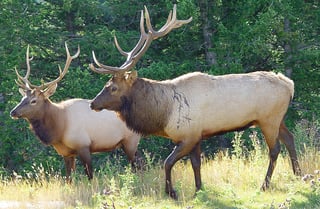
Colorado is still home to the largest free-ranging elk population, for now. At the heart of Colorado’s elk habitat is an endless supply of oak, aspen, and pine-covered ridges with scattered high mountain meadows, often with lakes or streams winding through it all. If that gets your blood pumping and heart searching for this backdrop at night, then you absolutely need to be planning a hunt here.
The most talked about topic for elk in Colorado in 2024 and now 2025 is the wolf supplementation that is now in its second full year. At the time of print, there are 29 documented wolves in the state that have been released and re-released in the northern part of the state in units that have had the highest densities of elk. It turns out the only thing that wolves like eating more than moose and elk is beef cattle. Shocker, right? There is no record on wolf/elk or wolf/moose predation, but there is a record of wolf/cattle predation, and it is high. Right now, cattle are the only thing keeping predation to lower levels on wildlife. They are still having an impact, and with the newly released 15 wolves, only time will tell if they shift their focus to moose and elk instead of cattle and hunters will really start to notice the decline.
| UNIT | UNIT DESCRIPTION |
|---|---|
| 1 | The area is located on the northwestern edge of the state, right along the Utah border. It has a small elk population, mainly in the Diamond Mountains. Access can be tricky, as the Dinosaur National Monument and National Wildlife Refuge surround much of the public land. The only real vehicle access is from Utah from a few county and two-track roads. There are a few mature bulls in the 330-340" range, but they tend to move back and forth between Utah and Colorado during the rut. For public land hunters, this can be a tough hunt, especially given the high number of points needed to draw a tag. Your best bet for success is to secure private land access before applying or, if you’re hunting public land, be prepared to put in plenty of scouting and be in excellent shape to navigate the wilderness study area. |
| 2 | Located in the northwest corner of the state, this large public land unit is primarily low-elevation BLM land with good road access throughout. The terrain is mostly pinyon/juniper mixed with open sage flats. While there are some private land restrictions scattered across the unit, overall, access to public land is solid. Mature bulls in the 340-350"+ range are still present, but hunters will need to cover a lot of ground and put in plenty of time behind the glass in order to find the right one in this expansive area. Low tag quotas across all hunts makes this a fun and enjoyable unit for anyone that has 30 or more points. |
| 10 | Northwest corner of the state. Big unit with a good amount of public land but also some checkerboarded private land that can limit access. Population has been steady to slightly increasing in recent years with good calf recruitment. The 2022/2023 winter did not affect this area much as it has some good low elevation country for wildlife to winter. This unit is still one of the top trophy units in the state. Lower elevation unit that consists largely of pinyon/juniper/oak with big sage flats. A lot of public access roads across most of the unit with good glassing to locate elk if they are not talking. Archery hunters can have good success checking waterholes and sitting water as this unit can be extremely dry in early fall, as long as the monsoon rains don’t come in. Most of the elk are concentrated north of I-40 at higher elevations during the fall. Great hunt for 340" class bulls with potential for bigger, especially on a good moisture year. |
| 40 | West edge of the state along the Utah line. Most of the suitable summer range elk habitat consists of private land with some public land intermixed. Mostly oak and aspen mesas with deep canyons that transition into pinyon/juniper and sage openings in the lower elevations. During the later rifle hunts, elk usually start to transition into more public BLM land, but it can be difficult to access this country with most of the roads coming from the top down. Plan on a physical hunt, especially during the later seasons if you don’t have private land access. Public land hunters will work hard and aren’t guaranteed to find any of the bigger bulls on public land during any season. Quality in this unit has dropped off in recent years. Even on private land outfitted hunts, a 340" bull is tough to turn up anymore. Outfitters are often booked years in advance on the better ranches in this unit, so if going outfitted, plan several years ahead. |
| 49 | Located almost in the center of the state, this unit consists of some steep, roadless high country with a mix of timbered ridges and open, grassy parks and hillsides. This hunt can be physically demanding, so horseback or experienced backpack hunters will have the upper hand. A large portion of the southern end of the unit lies within the Buffalo Peaks Wilderness Area, which is prime for archery, muzzleloader, and first rifle seasons. There are some access roads, like Weston Pass, and ATV trails that lead to marked hiking and horse trails. Early-season hunts offer the best chances of success as the transition range becomes thick with timber later on. This unit is ideal for mid-range point holders who may never draw top-tier units. The elk population is stable, with bulls ranging from 300-320" and the occasional larger bull being taken. |
| 61 | Southwest part of the state on the south side of the Uncompahgre Plateau. This large public land unit covers the southern half of the Uncompahgre Plateau, featuring deep oak and aspen canyons with dark timber in the upper elevations. The terrain is thick and can make spotting elk challenging, especially if they aren’t vocal during early-season hunts. While the quality of bulls has declined in recent years, it appears to be stabilizing, with recent harvests indicating some better bulls. Bulls in the 300-330" range are becoming more common. Access to most areas is good via roads or four-wheelers, though deep canyons can be tough to reach. As the second, third, and fourth rifle seasons progress, elk begin to transition to lower elevations, with some moving in from neighboring units for the winter. It’s a fun hunt with plenty of elk, though trophy bull quality is still not what it once was. |
| 66 | Southwest part of the state on the southern half of the Gunnison Basin. This is a great public land unit for bulls in the 280-320" range. During the early seasons, most elk are found in the higher elevation wilderness or roadless areas, requiring backpack or horseback hunting. The elk population is healthy, offering plenty of opportunities for a fun hunt. The summer terrain is mostly high-elevation timbered slopes with heavy beetle-kill deadfall forests, and elk aren’t spending as much time in the alpine basins as they once did. Lower elevations consist of rolling sage hills with scattered conifer patches. Private land can become an issue when elk move to their winter range, but there’s enough public land to still find success. Some elk migrate out of the unit into adjacent areas, making the second, third, and fourth rifle seasons more challenging for mature bulls. Archery and muzzleloader seasons offer less pressure and a better chance at older age-class bulls. |
| 76 | Located in the southwest part of the state within the Weminuche Wilderness, this high-elevation unit is nearly entirely composed of wilderness and USFS land. It boasts a solid elk population, with most elk summering above 10,000’ and gradually moving to lower timbered slopes in September and early October. While many of the main trails along valley bottoms are cleared, more remote trails up the timbered slopes are increasingly impassable due to beetle-kill fallen trees, so be prepared to navigate deadfall throughout your hunt. Some elk begin to migrate off the unit during the second and third rifle seasons, making it harder to find mature bulls. Quality in this unit tends to be a bit lower, with most bulls falling in the 280-300" range, but the high bull-to-cow ratio makes this a very enjoyable hunt. |
| 201 | Small unit in the far northwest corner of the state. This unit consists of a couple of low-elevation mountains and is mostly public land with high elk densities. A few roads run through the area, making it accessible and suitable for hunters of all skill levels. The moderate terrain ensures that the hunt isn’t overly physically demanding. It’s one of the top hunts in the state for chasing 330-350"+ bulls, especially if you’re among the top point holders. However, non-residents with fewer than 31 points should steer clear of this unit. |
| UNIT | UNIT DESCRIPTION |
|---|---|
| 12, 23, 24 north of the north fork of the White River | All hunts in this unit are limited to a draw due to elevated winter mortality from 2023 winter. Located in the northwest part of the state, this unit is mostly wilderness or roadless backcountry. The high-elevation areas are primarily USFS public land, but much of the low-elevation terrain is private and difficult to access. The landscape is made up of scattered conifer and aspen stands, along with parks and meadows. The White River herd, one of the largest migratory elk herds in the world, ensures that finding elk isn’t too challenging, but bulls over 300" can be harder to come by. Even with limited rifle tags, hunter crowding will still be a concern. Archery and muzzleloader seasons are ideal for public land hunters since the elk are still on USFS land, but once pressure drives them out, they move onto heavily private land. The average bull tends to be 2-3 years old. Keep in mind, the first and fourth rifle seasons have different unit groupings. |
| 18, 181 | Limited license draw for non-resident archery, muzzleloader, first rifle, and fourth rifle. North central part of the state. Mostly public land with a limited amount of roads to gain access to USFS land. Almost the entire unit 18 got burned up from the East Troublesome fire. There is a lot of roadless country that will require backpack or horseback miles in. Elk are doing well in this unit and should continue to do well until the burn area gets mature and aspen stands become impenetrable. Most hunting is mainly by foot or horseback, and there could be some good bulls available that are easier to glass in burn scar areas. 300"+ potential bulls are not unrealistic as this area seems to be getting better. |
| 20 | North central part of the state north of Denver. This large unit presents challenging access due to private land, a national park, and wilderness areas. A significant portion of the elk spend their summers in Rocky Mountain National Park and the surrounding private land. While the elk population in unit 20 is smaller compared to other Colorado units, it is steadily growing, aided by vegetation recovery from the past fire. During later season hunts in December or January, most elk are found on private land and city open space areas. Access becomes more difficult during the late rifle seasons, with seasonal road closures limiting entry to USFS land. The Cameron Peak fire burned through the northern part of unit 20, which closed some access points and impacted harvest success in 2020. However, the area is recovering and offering great elk habitat. Keep an eye on the burn scar regions, as elk are likely to hold up in these areas with improved feed and habitat. |
| 21, 22, 30, 31, 32 | Limited license draw for non-resident archery, muzzleloader, first rifle, and fourth rifle. Northwest part of the state. This unit is mostly low elevation, with a few mountains reaching up to 8,500’. There are plenty of roads in all the units, but a few spots offer the chance to pack in and escape hunting pressure where you might find better age-class bulls. The landscape is primarily made up of oak, pinyon, and juniper canyons. Units 21, 22, and 30 offer the best public land access, while units 31 and 32 are a mix of public and private land. Portions of unit 30 and a significant part of public land in unit 31 were affected by the Pine Gulch fire in 2020. The muzzleloader and first rifle seasons offer potential for 260-300"+ bulls. Elk populations have been struggling, but with strong regrowth in the burn areas, the herd should recover and become healthier in the coming years. |
| 23, 24, 33 south of the north fork of the White River | Limited license draw for archery, muzzleloader, first rifle, and fourth rifle. 23 and 24 are also limited for 2nd and 3rd rifle hunts. Northwest part of the state. Unit 24 is almost entirely public land with excellent access. A large portion of the unit lies within the Flat Tops Wilderness, offering a pristine, rugged landscape. The elk population is strong across all the units, with unit 24 having the highest population during the early seasons. Units 24 and 34 are more rugged, featuring larger canyons and less road access compared to unit 33. Unit 33 and the upper reaches of 24 have more open parks and meadows, making for classic elk habitat. The archery and muzzleloader seasons offer the best chance for 250-280" bulls, with the possibility of bigger ones. The first and fourth rifle seasons are split into different unit groupings, offering more opportunities to target mature bulls. |
| 35, 36, 361 | Limited license draw for non-resident archery, muzzleloader, first rifle, and fourth rifle. North central part of the state. The hunt area offers diverse terrain, ranging from high alpine basins in unit 36 to desert-like, thick pinyon/juniper patches and expansive sage flats along the Colorado River in unit 35. The middle country is characterized by a mix of conifer and aspen stands. Public land is easily accessible by road, though some private land and wilderness access issues exist in all units. The muzzleloader and first rifle seasons are ideal for targeting 260-300" bulls in the higher elevations, though they can be difficult to locate when they retreat into the thick timber. The fourth rifle season is best suited for hunters in good physical shape or those with access to horses to reach the more rugged canyon areas. |
| 41, 42, 52, 411, 421, 521 | Limited license draw for archery, muzzleloader, first rifle, and fourth rifle. West central part of the state. The elk population has stabilized but remains below historic numbers. This large hunt area is mostly public land, with some private land issues in each unit, primarily in the lower to mid elevations. Road access to public land is good. The Grand Mesa features a mix of expansive aspen stands and scattered, thick conifer forests. The area offers a blend of roadless regions that require backpacking and accessible country for day hunting. The second and third rifle seasons see heavy hunting pressure, which impacts bull quality, but a few mature bulls are harvested each year. As elk begin to migrate to lower elevations, units 41 and 411 see increased elk numbers by the fourth season. 250-280"+ bulls are typically the top end. |
| 481 | Limited license draw for all seasons. Central part of the state. Unit is made up of almost entirely public land. Most of this unit is only accessible by foot or horseback, and it is extremely steep, high mountains. Lower elk populations. Most of the middle country elk are in thick conifer stands on steep hillsides with open alpine terrain mixed in. There are trailheads in all of the major drainages, which makes it nice to access the canyons, but plan on a very physical hunt. Archery, muzzleloader, and first rifle are by far the best seasons for a chance at a mature bull. Elk will pull into the dark timber in the bottom third of the canyons to rut. This is a great elk unit for the hunter that does not have many points. Good potential for 280-300" bulls for hunters who have done their homework on the area or hired an outfitter. |
| 51 | Limited license draw for all seasons. Central part of the state south of Denver. This unit is divided roughly 50/50 between private and public land. The east side is mostly private, while the western half is predominantly public. The public land consists mainly of thick conifer forests, making it challenging to spot elk unless you’re hunting during the rut with vocal bulls in the archery and muzzleloader seasons. This unit is ideal for hunters who prefer lower elevations, as it stays below 10,000’. There’s good road access to the public land, but much of the area is roadless, providing elk with refuge from hunting pressure. The southwest corner contains a burn scar from the Hayman Fire, which can hold some elk. This is a decent hunt for all seasons with 280-300" bulls possible, particularly for hunters with 0-3 points. The elk population is on the lower side, so don’t expect to see a lot of elk during your hunt. |
| 501 | Limited license draw for all seasons. Central part of the state south of Denver. This unit is mostly high elevation, covered in dense conifer forests. The Lost Creek Wilderness sits at its center, drawing heavy recreational traffic, especially on weekends. Elk are spread out across the unit but in relatively low numbers, with densities much lower than other parts of Colorado. The southeast side of the mountain, in the old Hayman burn, offers more roads and moderate terrain, making it a better area for glassing. While trees are regrowing and providing more cover for elk, this area still has some visibility. Archery, muzzleloader, and first rifle seasons offer the best opportunity for a 300" bull, with a few larger ones mixed in. Preseason scouting is key to determining the best spots for elk. Later rifle seasons can also be productive, especially if snow pushes elk out of the thick wilderness and into more open, glassable areas. |
| 57, 58 | Limited license draw for all seasons. Central part of the state. The terrain in this unit is more moderate compared to neighboring areas, with the highest peaks only reaching 11,000’ and most of the hunting occurring below 10,000’. Unit 57 offers more access to public land, but it also contains several private land sections that require careful planning and local knowledge to navigate. Unit 58 has higher elk densities but is more challenging to access due to the significant private land presence, often requiring permission or an outfitter’s help. This hunt can be physically demanding, especially for self-guided hunters who need to navigate around private land to reach the prime public areas. The potential for 280-300"+ bulls is strong, but this unit is better suited for hunters with 2-3 points who are open to hiring an outfitter to handle the private land challenges. |
| 67 | Limited license draw for all seasons. Southwest part of the state on the south side of the Gunnison Basin. This unit is mostly public land, with some private land found in the lower elevations. The higher elevations feature thick conifer forests, along with expansive sage parks and meadows. The terrain is relatively moderate compared to other Gunnison Basin units, though there are some steep alpine areas in the La Garita Mountains. Access is good, with decent roadways to most areas. Elk populations are lower than in neighboring units, but there are still quality bulls in the 300-320" range. Archery and muzzleloader hunts tend to be the most productive for mature bulls. Scouting and preparation are key to success in this unit. The points required to draw here don’t necessarily align with the hunt’s quality. |
| 80, 81 | Limited license draw for archery, muzzleloader, first rifle, and fourth rifle. South central part of the state along the New Mexico border. Mostly public land at higher elevations, both units feature mountainous basins accessible only by foot or horseback. The terrain is typical elk country, with thick conifer and aspen stands in the mid-elevations transitioning into high alpine basins. Early season hunts can be productive, with limited tag numbers and reduced hunting pressure during the September archery and muzzleloader seasons. The fourth rifle season offers potential if snow accumulates, provided you’re in good shape and ready to hike through snow to find elk. With fewer archery hunters, the quality may improve over time. |
| 69, 84 | Limited draw for all seasons. South central part of the state. This area is split 50/50 for private land, with the majority of it located at lower elevations. The public land primarily consists of high-elevation aspen and conifer ridges. Access to the higher elevations in the Wet Mountains is good, making the archery, muzzleloader, and first rifle seasons the best options for public land hunters. Unit 69 has limited road access to public land, while Unit 84 offers a few more roads to travel on. The elk population has been declining in recent years, but there are still bulls in the 280-320" range available on public land during the early hunts. Later seasons can be challenging as elk move onto private land. Harvest is generally split between the two units, with slightly more coming from Unit 84. |
| 851 (Bosque Del Oso SWA Only) | South central part of the state along the New Mexico border. This small unit has seen a decline in both elk quality and quantity in recent years. A small resident herd summers here, but most elk migrate from adjacent units. The better bulls are often harvested during the late-season hunts, especially when they move from private land. The unit is composed of pinyon/juniper canyons with oil and gas exploration roads, but these are off-limits to the public. Hunting here is physically demanding, requiring foot or horseback access. Late-season hunts, particularly if snow falls, offer the best opportunity. However, with the number of points required to draw, hunters may want to explore other units as mature bulls can be difficult to find. Bull quality tends to range from 300-320" in recent years. |

Online applications must be submitted by 8 p.m. (MDT) on April 1, 2025.
Our magazine, which is available in print and online, has everything in one location - application info, draw details and odds, fees, hunter requirements, point structure, age restrictions, youth information, weapon restrictions, other tag opportunites, hunt planning, and much more. If you would like access to all of our research, join today!

| COLORADO ELK SEASON DATES | 2025 DATES |
|---|---|
| Archery | Sept 2 – Sept 30, 2025 |
| Muzzleloader | Sept 13 – Sept 21, 2025 |
| Early Rifle (Limited Units) | Sept 1 – Sep 30, 2025 |
| 1st Rifle | Oct 15 – Oct 19, 2025 |
| 2nd Rifle | Oct 25 – Nov 2, 2025 |
| 3rd Rifle | Nov 8 – Nov 16, 2025 |
| 4th Rifle | Nov 19 – Nov 23, 2025 |
Disclaimer: Season dates vary by GMU, weapon type, and draw status. Always confirm with Colorado Parks & Wildlife: https://cpw.state.co.us/thingstodo/Pages/SeasonDates.aspx
Colorado has a reissue policy for limited licenses that were turned in after the draw. A license that is returned that took 5 or more preference points to draw will be manually reissued to the next eligible person. For each license returned, CPW will contact the next five people from the current year’s draw order and attempt to reissue it. If a non-resident returns a permit, it will be reallocated to a non-resident. Any licenses that took fewer than 5 preference points to draw that is returned will be placed into the leftover list. Colorado will issue any surrendered deer after the initial leftover license purchased deadline on August 5th in a reissue/leftover license webpage. They will release a list of available licenses each Tuesday and transfer them into the leftover list for purchase Wednesday at 11 a.m. (MT).
Colorado has raffle and auction Governor type permits. For more information, go to http://cpw.state.co.us/thingstodo/Pages/RaffleAuction.aspx. You can also refer to our January 2025 issue in the “Governor, Commissioner, and Conservation Tags” article.
Colorado has a landowner voucher program. Up to 10% of private land-only and 10% of unit-wide permits for deer, elk, and antelope licenses for the general and restricted quota west of I-25 may be issued as landowner vouchers. Up to 15% of the deer, elk, and antelope licenses for the general quota east of I-25 and up to 10% of the restricted quota may be issued as landowner vouchers. Landowners must meet certain qualifications both in size of contiguous acres and type of property to be eligible. Vouchers are allocated through a draw process that takes place every year. The number of applications per landowner depends on acreage owned. Landowners who receive vouchers for licenses that they can transfer/sell to eligible hunters must do so directly. A hunter voucher can be sold directly to a hunter by the landowner or their designated land manager. A third party cannot sell a Colorado landowner voucher. Once a hunter purchases a voucher, it must be taken to a license agent or CPW location to be turned into a license. Hunters who are unsuccessful in drawing vouchers receive a preference point for next year’s drawing.
Every year, Colorado issues thousands of Landowner Preference Program (LPP) vouchers for elk, deer, and antelope. Landowners who own at least 160 contiguous acres of private agricultural land can register for these vouchers by submitting an application by December 5th for the following year. LPP applicants are drawn just before CPW’s public limited drawing and once selected, registrations are valid up to five years. For hunters, these vouchers must be acquired directly from the landowner and the hunter needs to redeem the voucher for the actual hunting license. Vouchers can be redeemed at any license agent or CPW location. Hunters are responsible for all license fees when redeeming vouchers for licenses.
There are two different types of landowner vouchers available — Unrestricted Quota (unit wide) and Restricted Quota (private land only). Both vouchers entitle the hunter to hunt the landowner’s property the voucher was issued for. Unrestricted Quota licenses are unit wide, which entitles the hunter to hunt all public and private lands in which you acquire permission to hunt within the unit. Restricted Quota licenses are private land only, which entitles the hunter to hunt only private land within the specific unit it was issued for, but permission will need to be acquired for any private land except the private land in which the voucher was issued for.
All LPP vouchers are only valid during the season dates printed on it. LPP vouchers are issued through a draw system to qualified landowners, the same as the general draw, and LPP voucher draw results are available in early June.
Huntin’ Fool has a free listing service for all Colorado LPP voucher recipients. A list of landowners is not available from Colorado Parks and Wildlife. We list more Colorado LPP vouchers than any other listing service. You can find a list of available Colorado LPP vouchers as well as other big game vouchers for multiple states at www.huntinfool.com. Vouchers are updated daily, and we have a free text and email notification process that will notify you every time a new listing is posted. You can sign up for this notifications on our free smartphone app.

$199 BILLED ANNUALLY
Unlimited One-On-One hunt consultations and everything you need to prep like a pro and hunt like a fool.

$48 BILLED ANNUALLY
Access our digital research tools, draw more tags, and hunt with better information.
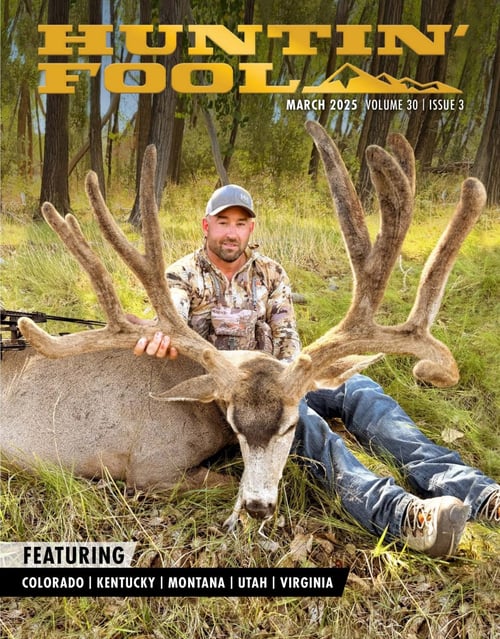
Our members experience improved hunting opportunities as a direct result of the Huntin' Fool magazine. We are the only publication that breaks more than 20 states' hunting regulations and draw systems into bite-sized chunks for our members.
Well, it’s official, over-the-counter archery elk for non-residents is over. New for 2025, the CPW Game Commission sided with residents and has put all non-resident archery elk tags in the draw. Although we do not have numbers yet for tag allocation to each of these areas, we do know that CPW is going to try and match demand with tag allocation being close to the amount of non-resident hunters who had been hunting these areas with OTC tags. This means that there should be a fair amount of these tags with hunt codes ending in -VIA- to have tags issued as a second choice. Again, without seeing tag numbers, we can’t say for sure which units will be the easiest to know that will have second choice or leftover tags, but if you want to hunt one of these areas, I would recommend you at least apply for those areas as a second choice and that way you can submit your first choice for either a preference point or a hunt you have been targeting. This should give you a good backup plan for 2025.
Now all non-resident archery, muzzleloader, early, first, and fourth rifle elk hunts in Colorado are by draw only. This doesn’t mean that if you don’t apply for one of these hunts in the primary draw you have no chance of getting one. All these hunts have tag quotas, and if the tags are not exhausted in the primary draw, they will roll any remaining quota into the secondary draw, then will roll any remaining quota into the leftover tag list and are issued on a first-come, first-served basis. They still have a fair amount of units that have over-the-counter (OTC) second and third rifle elk hunts available. These OTC tags can be bought at any time once they go on sale in August.
Colorado offers a select few units that are specifically managed for trophy potential. Units like 1, 2, 201, and 10 are the big-ticket hunts, but don’t expect to draw them. Drawing a tag here will cost you 25+ points, and that number is only rising with the ongoing point creep. While these areas can produce bulls in the 340” range, it’s still tough to consistently turn up giants. The next tier, units 40, 61, and 76, are a step down but still offer respectable trophy potential with bulls in the 320-330” class. These hunts typically require around 20+ points to draw, making them an excellent choice if you’ve got some points in the bank but aren’t quite ready to chase the monster bulls.
If you’re looking for a true 340-350” bull, Colorado may not be your best bet, especially if you’re not sitting on a pile of points. A good rule of thumb is to use the point requirements to gauge the overall trophy quality of a unit.
For hunts that take 0-5 points, expect similar trophy quality across the board, regardless of weapon choice. What varies more is the landscape – public versus private land, wilderness areas, and elk populations. Once you hit the 10-20+ point range, there’s a better chance at a mature bull, but don’t be fooled as the higher point hunts aren’t always the best, especially if they’re popular or have prime season dates. Some units with lower point totals may offer just as much trophy potential, so don’t get stuck chasing after units with big reputations.
If you’re new to the game or don’t have decades of points built up, Colorado isn’t the place to chase the top trophy bulls. However, it is a top-tier opportunity state where you can regularly secure good elk tags and hunt more frequently. With the introduction of wolves and the uncertainties surrounding their impact on the elk population, the landscape may shift, but for now, Colorado remains one of the best states to hunt elk. If you’re not fixated on inches and are looking for a great elk hunting experience, this is a state worth applying in.
Advisor Articles from Our Magazine on Colorado Application and Hunting Strategy
For access to all of our research and data we've collected over the last 20+ years, then join today and access the best research tools for hunting Elk in Colorado including Draw Odds, Consultations and much more. Go on more hunts with better information!

We handle everything for you, maximizing your draw odds, and ensuring you never miss a draw deadline.
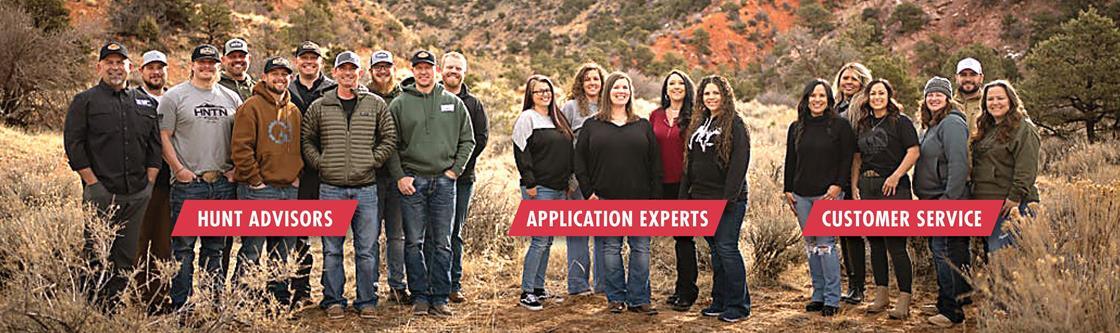
Our Hunt Advisors provide individualized advice to help you access better hunts.
Huntin' Fool's draw odds calculator is arguably the most advanced in the industry.
Don’t miss an application period! Deadlines come quickly, and managing applications for multiple states and species can be confusing and difficult.
Colorado has over 40 units west of Denver that can be hunted with over-the-counter licenses. We cover units that have an ample amount of public land to hunt and have a reasonable chance at success without having to pay a trespass fee. You might notice that some of these units differ for archery versus rifle because elk could be moving onto private land later in the year.
These licenses are unlimited and can be purchased online, by phone, or in person at any license retailer location at 9 a.m. (MT) on August 5, 2025. These licenses do not affect your preference points in any way. You do not have to buy a qualifying license in order to purchase any leftover or over-the-counter licenses. Colorado will also have leftover and reissued limited licenses that go on sale on August 5th by phone, in person at some license agents, and online at 9 a.m. (MT). These are for any big game licenses remaining after the secondary draw has been conducted. There are always a handful of good elk and deer hunts available, so watch for this list to become available and reference our unit descriptions in this issue and our March issue to find out what units are better than others.
Colorado has a program to reissue returned licenses. A reissue preview list will come out on Tuesday, August 12th at 11 a.m. You can view the reissue list at cpw.state.co.us/refunds#reissue. All hunt codes from the reissue list will then be available for purchase through the reissue process starting at 11 a.m. This process will continue three times each week until the end of the season. Any hunts that still have available licenses near the start of the season will be able to be purchased online, at licensed vendors, and at any CPW location. Some of the best second and third season hunts are on the reissue list after the season has started.
Bear licenses are either unlimited OTC or limited draw. However, there are often leftover licenses available for these draw areas. Archery and muzzleloader OTC licenses are still “add-on,” meaning you must have a valid deer or elk license to be eligible to purchase a bear license for the same season in the same unit. One of the biggest changes this year is with an E-License for bear licenses purchased OTC. Bear licenses purchased online and as an E-License will no longer be “hard stock” licenses. If you want your purchase of an OTC license to be printed on the orange hard license stock, you will have to go into a CPW location or license agent to get one. Also, Colorado increased the price of bear licenses and bear application cost back up to $51.75 from the reduced price of $40.45 that we saw in 2024. Bear licenses were discounted and “locked to a unit” to help increase harvest and higher harvest percentages due to low bear populations across the state as a result of the reduced price. This year, the price has increased to $294.75.
The first rifle season will start on October 15th, and the fourth season won’t start until November 19th. Extended break periods in between rifle hunts were put in place in 2020 to allow animals to relax a bit and hopefully give a better opportunity to the next season’s hunters to take elk after the shooting stops from the prior season. After four or five seasons of harvest reporting, it appears that the break period has little to no effect on the harvest percentage throughout all the seasons.
New for 2025, there are no longer OTC archery elk hunts for non-residents west of I-25. There are still OTC opportunities for antlerless and either-sex east of I-25. For antlerless, the license cost is $46.88. Most of Colorado’s elk herds are west of the interstate, but with the increasing population, some herds have been increasing east of the divide. However, these units don’t get much attention and often have low harvest percentages simply because you have low access to private land.
The second and third rifle seasons get more hunting pressure, with the second season being the bulk of the harvest. Success tends to be better during warmer and more active weather, and large cow herds during the third season having a bigger impact on accessibility into the backcountry where elk can hang up. Elk can withstand a lot of snow, so quite often, they will stay up at higher elevations if hunting pressure persists throughout the second rifle hunt and into the third rifle hunt, which can pose a problem if you are not physically fit or equipped with the right transportation methods and gear to get back in their hidey holes. The biggest advantages the second rifle season offers are a better chance for nicer weather, calmer elk that have not been shot at yet, and fewer bulls have been harvested up to this point as compared to the third season.
Typically, bulls in general units fall between the ages of 2 to 3 years, while herd bulls are mostly between 4 to 6 years, with only a few exceeding that range. Use the issue to look through hunter and harvest data as well as a brief description of each unit to determine which ones have what you are looking for in terms of age class and elk direction. Differentiating between the over-the-counter units can be subtle, often boiling down to one’s familiarity and past experiences with a particular unit, which significantly influences the likelihood of success. Ultimately, the essence of any over-the-counter hunt lies in the experience itself, so selecting a unit that aligns with the desired hunting experience is paramount. If you have any questions, give us a call and we will help to get you pointed in the right direction to have a terrific Colorado hunt experience with your friends and family.
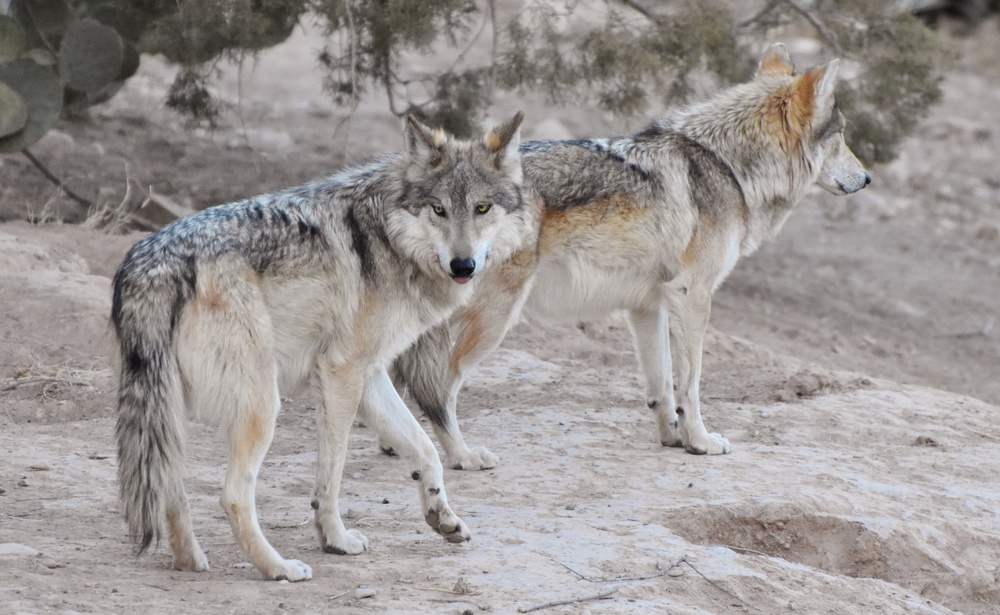
As expected, after the initial release of the first 10 wolves in December of 2023, there has not been protection for any livestock producers. Mitigation claims have exceeded $500,000, which the state is struggling to find funding to pay because the mitigation fund only has $350,000 in it. CPW has tried translocating some of the wolves, which has obviously been unsuccessful. Now CPW’s answer is that if they bring in more wolves (which was 15 additional wolves brought in from British Columbia) to bolster the packs, they will now have the ability to target more adult elk instead of calf elk. Anyone with a drop of brain at all has to be thinking that this is the dumbest idea that was ever dreamed up by a round table of “wildlife specialists” who have no idea or sense of reality. So far, every single rancher and person who voted against the wolf supplementation has been vindicated. The Shangri-La place that was promised by wolf lobbyists that was going to have wolves only eating out the sick and dying wildlife that “in turn would eliminate disease within the rivers” turns out to be what every sane person with a bit of common sense said it was going to be, BS!


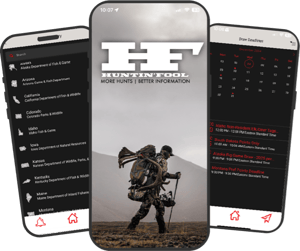
Huntin’ Fool offers a wide variety of services and resources within the hunting space, and the Huntin’ Fool App offers access to them all. Utilizing this app, you will be able to apply for hunts, plan hunts, buy hunts, and win hunts. This app is simple to use and puts the tools you need to go on great hunts right at your fingertips.


At Huntin' Fool, we are always looking for ways to improve our service and help out members to the very best of our abilities. We believe communication is what makes our Huntin' Fool community great!