In a former life, I provided technical support for archery products to customers who were having trouble tuning their bows. Those conversations often evolved into archery elk hunting discussions, and a few of them left lasting impressions on me. Some gave me new ideas to try, and others left me stunned at how hard some hunters worked at doing the wrong things with terrible results. One call that illustrates the point I want to stress in this article was with a guy who had been traveling out of state from California to Oregon for three years on 10-day self-guided archery elk hunts with some buddies. He confided in me that he was frustrated that in nearly 30 days of hunting prime elk rut dates, his hunting party had only heard one faint bugle in the dark and that they had only seen a handful of cow elk with a spike bull or two. Doing my best to not sound incredulous, I bluntly told him that he was either hunting a terrible spot or he wasn’t hunting it right and that there was no reason to ever go for three years and not be into more elk than that. I gave him some new areas to check out and a few basic techniques to employ when he was unable to find elk and figured I’d never hear from him again. Lo and behold, the next year, he called me back, beside himself with excitement at how good archery elk hunting could be. Not only did they kill a public land over-the-counter bull, they were also in good rut action for the entire hunt.
Unfortunately, it is pretty common for hunters to become overly attached to certain spots, units, and hunting styles. This is often at the expense of expanding their hunting horizons. I’ll admit that finding elk can be tough on any hunt, but I truly believe that whether you are hunting the best limited-entry draw tag in the state or an over-the-counter tag with hundreds of other archery hunters, there is no excuse to not find elk. They are relatively easy to glass, they make a lot of noise during the rut, and they smell strong enough that even our poorly evolved human noses can pick them up days after they have hung out and rutted in any given spot.
More often than not, the main reason that elk can’t be found is because hunters aren’t mobile and flexible enough. Elk are nomads, and if you’re not prepared to roam to locate them, you may find yourself creeping around a basin that is filled with rubs, wallows, and sign wondering where the party went. Meanwhile, the elk that left their mark in that canyon could be in another state by now. With that in mind, I try to create a hunt plan that provides me the opportunity to cover the greatest amount of country in the least amount of time. I start with my pickup truck and then work my way down through ATVs, motorcycles, E-bikes, and mountain bikes and then I eventually wind up with boots and hooves as my final considerations.
I know that this may sound lazy, but this article is focused on how to find elk, not how to lose 10 pounds on an annual “armed hiker” crusade. Before I am crucified by the backcountry aficionados, I will say that backcountry elk hunting is both fun and rewarding and it can be an excellent way to get away from the crowds. However, that style of hunting is very “all in” and doesn’t afford the backpacker much of an opportunity to relocate if the chosen basin is void of elk. The reality is that your boots are the slowest mode of transportation you have at your disposal, especially when compared to elk hooves. For that reason, I try to rely on them once I have an educated guess on where elk are versus using them to wander the woods aimlessly.
Regardless of the mode of transportation, I’m looking for three major things as I cover ground:Glassing points that provide an opportunity to find elk that may be miles away
Roads, trails, ridges, and basins that I can hear elk from day or night
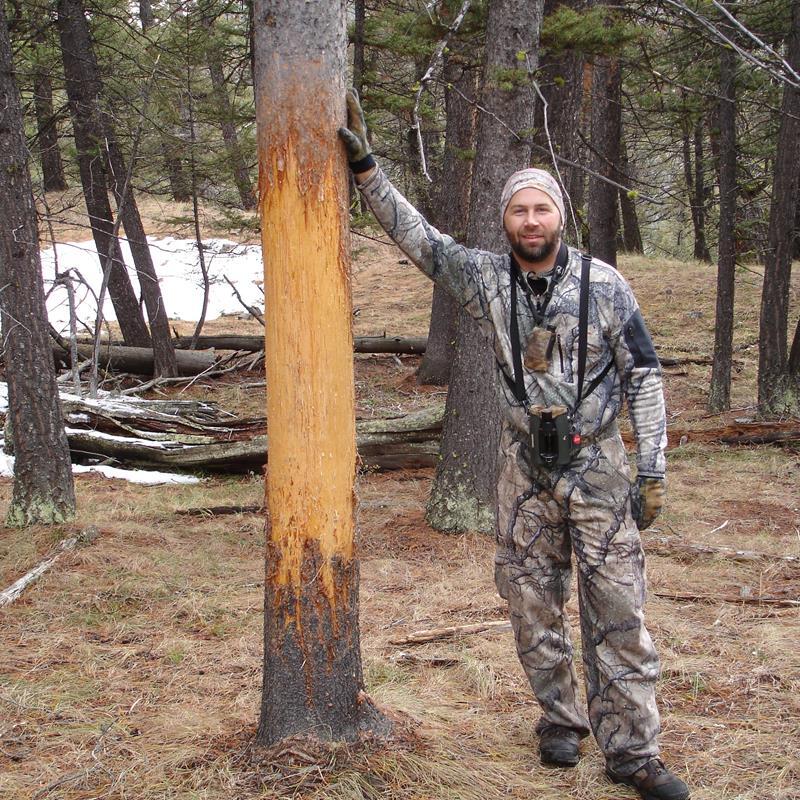
Good old-fashioned fresh elk sign
GLASSING POINTS
MIDNIGHT SERENADE
READ THE SIGNS
ONE FINAL EXAMPLE
Unfortunately, it is pretty common for hunters to become overly attached to certain spots, units, and hunting styles. This is often at the expense of expanding their hunting horizons. I’ll admit that finding elk can be tough on any hunt, but I truly believe that whether you are hunting the best limited-entry draw tag in the state or an over-the-counter tag with hundreds of other archery hunters, there is no excuse to not find elk. They are relatively easy to glass, they make a lot of noise during the rut, and they smell strong enough that even our poorly evolved human noses can pick them up days after they have hung out and rutted in any given spot.
More often than not, the main reason that elk can’t be found is because hunters aren’t mobile and flexible enough. Elk are nomads, and if you’re not prepared to roam to locate them, you may find yourself creeping around a basin that is filled with rubs, wallows, and sign wondering where the party went. Meanwhile, the elk that left their mark in that canyon could be in another state by now. With that in mind, I try to create a hunt plan that provides me the opportunity to cover the greatest amount of country in the least amount of time. I start with my pickup truck and then work my way down through ATVs, motorcycles, E-bikes, and mountain bikes and then I eventually wind up with boots and hooves as my final considerations.
I know that this may sound lazy, but this article is focused on how to find elk, not how to lose 10 pounds on an annual “armed hiker” crusade. Before I am crucified by the backcountry aficionados, I will say that backcountry elk hunting is both fun and rewarding and it can be an excellent way to get away from the crowds. However, that style of hunting is very “all in” and doesn’t afford the backpacker much of an opportunity to relocate if the chosen basin is void of elk. The reality is that your boots are the slowest mode of transportation you have at your disposal, especially when compared to elk hooves. For that reason, I try to rely on them once I have an educated guess on where elk are versus using them to wander the woods aimlessly.
Regardless of the mode of transportation, I’m looking for three major things as I cover ground: